

Coconut Oil for Eyelash Growth: Does It Really Work?

In 30 Seconds…
Coconut oil keeps your eyelashes soft, nourished, and protected, which helps them grow better naturally. It reduces dryness, prevents lashes from breaking, and makes them look thicker and healthier over time. Using a small amount regularly—especially at night—can give you smoother, stronger, and shinier lashes.
Introduction
Long, thick eyelashes have always been a beauty goal for many people. While mascara and false lashes offer quick fixes, more and more beauty enthusiasts are turning to natural remedies for healthier, fuller-looking lashes. One ingredient that keeps popping up in DIY beauty circles is coconut oil.
You’ve probably heard claims that coconut oil can transform your lashes. But does it actually work? Can something as simple as coconut oil really help your eyelashes grow longer and thicker? And what about eyebrows—does coconut oil help grow eyebrows too?
In this comprehensive guide, we’ll explore the science behind using coconut oil for eyelash growth, how to apply it safely, and what realistic results you can expect. We’ll also compare it with other popular oils and share practical DIY methods you can try at home. Whether you’re dealing with sparse lashes or simply want to strengthen what you already have, this guide will help you understand if coconut oil deserves a spot in your beauty routine.
What Makes Coconut Oil Good for Eyelashes?
Coconut oil has been used for centuries in hair and skincare routines, and there’s good reason why it’s still popular today. This natural oil is packed with beneficial components that can support healthier lashes.
First, coconut oil is rich in fatty acids, particularly medium-chain fatty acids like lauric acid. Lauric acid makes up about 50% of coconut oil’s composition and has impressive moisturizing and antimicrobial properties. This means it can help keep your lashes hydrated while protecting them from potential bacterial buildup that might interfere with healthy growth.
The oil also contains small amounts of vitamin E, which is known for its antioxidant properties. Antioxidants help protect hair follicles from damage caused by free radicals and environmental stressors.
One of coconut oil’s standout features is its molecular structure. Unlike many other oils, coconut oil has a low molecular weight, which allows it to penetrate the hair shaft rather than just coating the surface. This means it can actually strengthen lashes from within, reducing protein loss and preventing breakage.
Coconut oil is also incredibly moisturizing. Dry, brittle lashes are more prone to breaking and falling out prematurely. By keeping lashes well-hydrated and flexible, coconut oil helps maintain their integrity throughout the natural growth cycle.
Plus, it’s gentle, affordable, and widely available—making it an accessible option for anyone interested in natural lash care.
Does Coconut Oil Grow Eyelashes?
Here’s the honest truth: coconut oil doesn’t magically make your eyelashes grow longer overnight. However, it can create conditions that support healthier, stronger lashes—which may appear fuller and longer over time.
Let’s break down how this works. Your eyelashes, like all hair on your body, go through a natural growth cycle. They grow, rest, and eventually fall out to make room for new lashes. The maximum length your lashes can reach is largely determined by genetics and the duration of their growth phase.
So, does coconut oil grow eyelashes in the literal sense? Not exactly. It doesn’t alter your genetic blueprint or extend the growth phase of your lash cycle. What it can do, though, is prevent premature breakage and lash loss.
Research on coconut oil and hair health shows that it significantly reduces protein loss from hair when used both before and after washing. Since eyelashes are made of keratin (a protein), this protective effect is relevant. When your lashes retain more protein, they stay stronger and are less likely to break or fall out before reaching their full potential length.
Coconut oil also creates a protective barrier around each lash, sealing in moisture and shielding them from environmental damage. This can prevent the dryness and brittleness that lead to breakage.
Additionally, well-moisturized lashes appear thicker and shinier. Even if coconut oil doesn’t technically increase growth rate, healthier lashes that don’t break prematurely will naturally look longer and fuller.
The takeaway? Using coconut oil for eyelash growth is really about supporting the health of the lashes you already have, allowing them to reach their full natural potential without breaking along the way.
Coconut Oil for Eyebrow and Eyelash Growth
Many people wonder: Does coconut oil help grow eyebrows? The same principles that apply to eyelashes apply to eyebrows as well.
Your eyebrows are hair, and like eyelashes, they benefit from moisture, protection, and reduced breakage. Coconut oil can help improve the overall condition of your brow hair, making it look fuller and healthier.
Eyebrow hair tends to be slightly thicker and coarser than eyelash hair, which means it may absorb coconut oil even more effectively. Regular application can help soften brow hairs, reduce brittleness, and keep them from breaking off prematurely.
If you’re dealing with sparse eyebrows from over-plucking, aging, or other factors, coconut oil won’t necessarily trigger new hair growth where follicles have become dormant. However, it can help maximize the potential of active follicles by keeping existing brow hairs strong and healthy.
The conditioning effect of coconut oil also makes brow hairs more manageable and easier to shape. Many people notice that their eyebrows look smoother, shinier, and more defined after consistent use.
For best results when using coconut oil for eyebrow and eyelash growth, consistency is key. Your hair—whether on your head, brows, or lashes—responds to regular nourishment. Applying coconut oil a few times a week as part of your nighttime routine can gradually improve the appearance and health of both your lashes and brows.
How to Apply Coconut Oil for Eyelashes (Step-by-Step)
Applying coconut oil to your eyelashes is simple, but doing it correctly ensures safety and effectiveness. Here’s how to do it properly:

Step 1: Start with Clean Lashes
Remove all makeup thoroughly using a gentle makeup remover or micellar water. Make sure there’s no mascara residue left, as this can trap bacteria when mixed with oil.
Step 2: Choose Your Application Tool
Use a clean mascara wand (spoolie), cotton swab, or even a clean fingertip. If you’re reusing a mascara wand, wash it thoroughly with soap and water, then let it dry completely before use.
Step 3: Use Pure Coconut Oil
Take a small amount of virgin or extra-virgin coconut oil. You only need a tiny amount—a drop or two is enough for both eyes. If the oil is solid, warm it between your fingers until it melts.
Step 4: Apply Carefully
Gently brush or dab the coconut oil along your lash line and through your lashes, just as you would apply mascara. Be careful not to get oil directly in your eyes, as this can cause temporary blurriness.
Step 5: Apply Before Bedtime
The best time to apply coconut oil is at night before sleep. This gives it several hours to work without interference from makeup or daily activities.
Step 6: How Often?
For most people, applying coconut oil 3-4 times per week is sufficient. Daily use is generally safe, but monitor how your lashes respond.
Safety Warning: If oil gets in your eyes and causes irritation, rinse thoroughly with water. Discontinue use if you experience redness, itching, or any allergic reaction.
DIY Coconut Oil Eyelash Growth Methods
Want to boost the benefits of coconut oil? Try these simple coconut oil for eyelashes DIY growth combinations:
Coconut Oil + Castor Oil Blend Mix equal parts coconut oil and castor oil. Castor oil is thicker and contains ricinoleic acid, which some believe promotes hair growth. Together, they create a powerful conditioning treatment. Apply this mixture 3-4 times weekly before bed.
Coconut Oil + Vitamin E Pierce a vitamin E capsule and mix the contents with a teaspoon of coconut oil. Vitamin E adds extra antioxidant protection, helping shield lashes from environmental damage. This combo is especially good for brittle, damaged lashes.
Coconut Oil + Aloe Vera: Combine a small amount of pure aloe vera gel with coconut oil (about 1:2 ratio). Aloe vera is soothing and contains vitamins and minerals that support healthy hair. This mixture is lighter and perfect if you find pure coconut oil too heavy.
Coconut Oil + Lavender Essential Oil: Add one drop of lavender essential oil to a tablespoon of coconut oil. Lavender has anti-inflammatory properties and a calming scent—perfect for your nighttime routine. However, be extremely careful with essential oils near the eyes and always dilute them properly.
Remember to prepare fresh batches of these mixtures and store them in clean containers. Don’t keep DIY blends for more than a week to maintain freshness and prevent bacterial contamination.
Best Eyelash Growth Serum

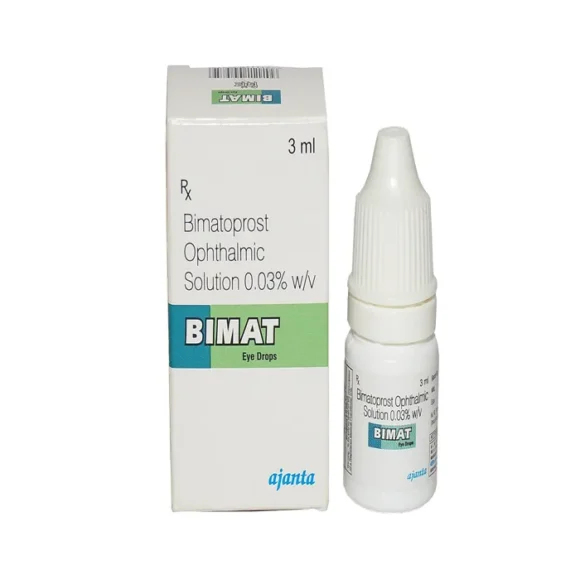
Bimat Eye Drops
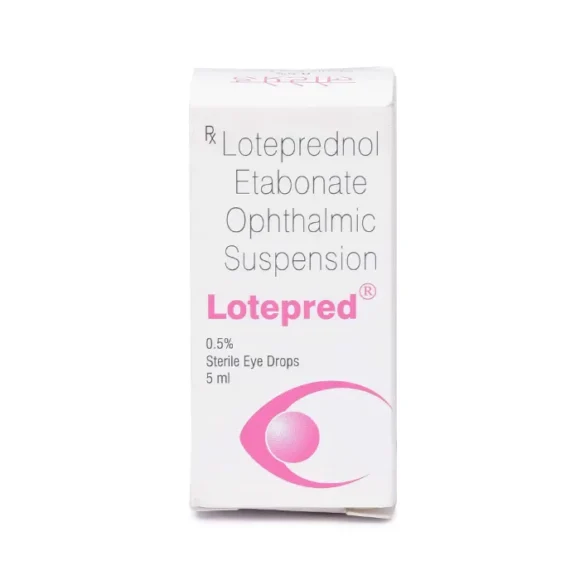
Price range: $15.00 through $230.00Lotepred Eye Drops
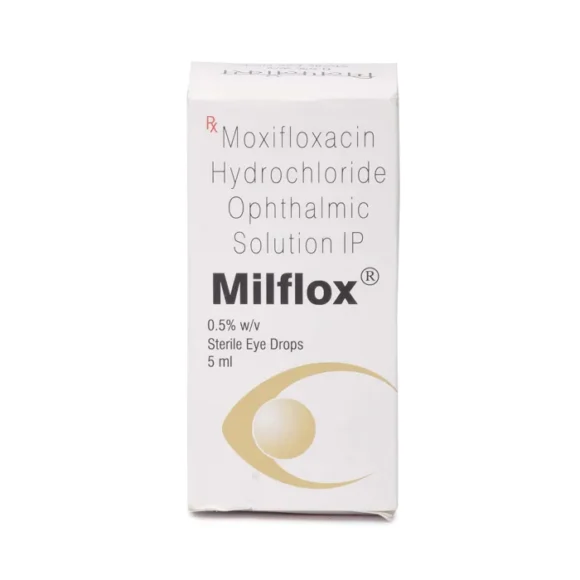
Price range: $25.00 through $93.00Milflox Eye Drops
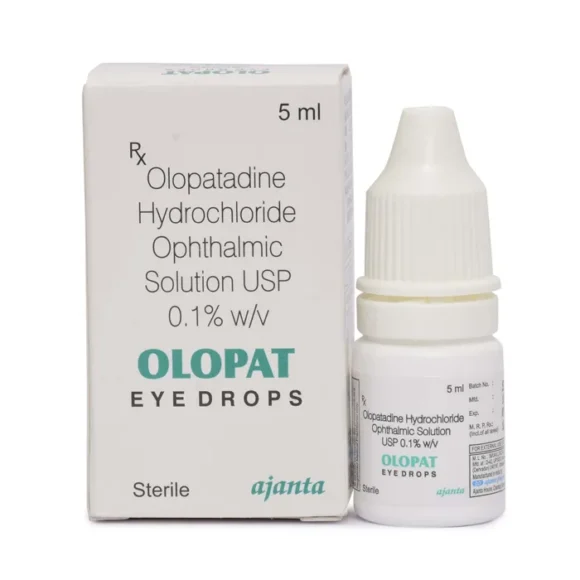
Price range: $14.00 through $48.00Olopat Eye Drops
Price range: $7.00 through $38.00
Castor Oil vs Coconut Oil for Eyelash Growth
When researching natural lash growth remedies, you’ll often see both castor oil and coconut oil recommended. So which one is better? Let’s compare castor oil vs coconut oil for eyelash growth.
Nutrient Profile: Castor oil is rich in ricinoleic acid, a fatty acid that makes up about 90% of its composition. This acid has anti-inflammatory and antimicrobial properties. Coconut oil, on the other hand, is rich in lauric acid and has better penetrating properties due to its molecular structure.
Texture and Absorption: Coconut oil is lighter and absorbs more easily into the hair shaft. Castor oil is much thicker and more viscous, which means it sits on the surface longer, creating a protective coating.
Effectiveness: Neither oil will dramatically increase lash length beyond your genetic potential. However, castor oil is often credited with improving lash appearance because its thickness makes lashes look immediately fuller and darker. Coconut oil works more subtly by strengthening from within and preventing protein loss.
Application: Coconut oil is easier to apply and wash off. Castor oil’s sticky texture can be challenging to work with and may require more thorough cleansing in the morning.
Which Should You Choose? If you want deep penetration and strengthening, choose coconut oil. If you prefer a thicker coating that creates immediate visual fullness, try castor oil. Or better yet, use both! Many people find that combining them (as mentioned in the DIY section) offers the best of both worlds.
For sensitive skin, coconut oil tends to be gentler and less likely to cause irritation.
Using Coconut Oil for Eyelash Growth — Safety Tips
While coconut oil is generally safe, the eye area is delicate. Follow these safety guidelines:
Patch Test First: Before applying coconut oil near your eyes, do a patch test. Apply a small amount to your inner forearm and wait 24 hours to check for allergic reactions or irritation.
Avoid Direct Eye Contact: While coconut oil won’t harm your eyes permanently, it can cause temporary blurriness and discomfort. Apply carefully along the lash line rather than directly on the eyeball.
Use High-Quality Oil: Always choose organic, virgin, or extra-virgin coconut oil without additives. Lower-quality oils may contain impurities that could irritate the sensitive eye area.
Keep It Clean: Never double-dip application tools. Bacteria can transfer from your lashes back into the coconut oil container. Use disposable cotton swabs or thoroughly wash reusable tools between uses.
Remove Properly: In the morning, gently cleanse your lashes to remove excess oil. Leaving too much oil on your lashes during the day can attract dust and debris.
Watch for Reactions: If you experience redness, swelling, itching, or increased sensitivity, stop using coconut oil immediately. Some people are allergic to coconut or tree nut products.
Don’t Overdo It: More isn’t always better. Using too much oil can clog follicles or cause buildup. A little goes a long way.
If you wear contact lenses, remove them before applying coconut oil and wait at least 30 minutes after application before reinserting them.
How Long Does It Take to See Results
Patience is essential when using coconut oil for eyelashes. Unlike mascara, which provides instant results, natural remedies work gradually.
Most people start noticing subtle improvements after 3-4 weeks of consistent use. These early changes might include lashes that feel softer, look shinier, or seem less prone to breakage.
More noticeable results—like visibly fuller or slightly longer-looking lashes—typically appear around the 6-8 week mark. This timeline makes sense when you consider the natural eyelash growth cycle.
Eyelashes have three phases: the anagen (growth) phase lasting 30-45 days, the catagen (transition) phase lasting 2-3 weeks, and the telogen (resting) phase lasting about 100 days before the lash falls out. Since coconut oil primarily works by protecting existing lashes from damage, you need to give your current lashes time to complete their growth phase without breaking.
Several factors influence how quickly you see results:
Consistency: Applying coconut oil regularly (at least 3-4 times weekly) produces better results than sporadic use.
Starting Condition: If your lashes are severely damaged or brittle, you might see improvement faster as the oil repairs existing damage.
Genetics: Your natural lash length and thickness are predetermined. Coconut oil helps you reach your genetic potential, but can’t exceed it.
Overall Health: Nutrition, sleep, stress levels, and general health all affect hair growth, including lashes.
Set realistic expectations and take progress photos to track subtle changes you might otherwise miss.
Mistakes to Avoid
Avoid these common errors when using coconut oil for lashes:
Using Refined or Low-Quality Oil: Refined coconut oil loses many beneficial nutrients during processing. Stick with virgin or extra-virgin coconut oil to get maximum benefits.
Applying Too Much: A tiny amount is all you need. Drowning your lashes in oil won’t speed up results and can actually cause buildup that clogs follicles or attracts dirt.
Using It During the Day: Coconut oil can make lashes look greasy and will interfere with mascara application. It’s best used as an overnight treatment.
Not Cleaning Your Lashes First: Applying oil over makeup or on dirty lashes traps bacteria and debris, which can lead to eye infections or irritation.
Using Contaminated Tools: Dirty mascara wands or unwashed fingers can introduce bacteria to the sensitive eye area. Always use clean application tools.
Expecting Miracle Growth: Coconut oil isn’t a magic solution. It supports healthier lashes but won’t dramatically change your genetic lash potential.
Skipping the Patch Test: Some people are allergic to coconut. Always test on a small skin area first.
Conclusion
Using coconut oil for eyelash growth is a gentle, natural way to support healthier, stronger lashes. While it won’t work miracles or change your genetic lash potential, it can definitely help your lashes reach their full natural length by preventing breakage, locking in moisture, and protecting against damage.
The same benefits apply whether you’re using coconut oil for eyelashes or wondering does coconut oil helps grow eyebrows—the answer is that it supports overall hair health in both areas.
Remember that consistency matters more than anything. Make coconut oil application part of your regular nighttime routine, be patient, and set realistic expectations. Combine it with other healthy habits like removing makeup thoroughly, eating a balanced diet, and being gentle with your lashes.
Whether you use pure coconut oil or experiment with DIY growth blends, you’re giving your lashes natural nourishment without harsh chemicals. And sometimes, that simple, gentle approach is exactly what your lashes need to look their absolute best.
FAQs
Can coconut oil make eyelashes grow faster?
No, coconut oil doesn’t speed up the natural lash growth rate. However, by preventing breakage and keeping lashes healthy, it helps them reach their full potential length, which may make them appear to grow faster.
Does coconut oil help grow eyebrows?
Yes, in the same way, it helps eyelashes. Coconut oil conditions eyebrow hair, reduces breakage, and keeps follicles healthy, which can result in fuller-looking brows over time.
Can I use coconut oil on my eyelashes every day?
Yes, daily use is generally safe for most people. However, 3-4 times weekly is usually sufficient. Monitor your lashes and reduce frequency if you notice any irritation or excessive oiliness.
Is coconut oil safe to use near the eyes?
Generally, yes, but avoid getting it directly in your eyes. If you’re concerned, do a patch test first and apply carefully along the lash line only.
Coconut oil vs castor oil—which is better for eyelashes?
Both have benefits. Coconut oil penetrates better and strengthens from within, while castor oil creates a protective coating and makes lashes look immediately fuller. You can also use both together.
Can coconut oil stop eyelash fall?
It can reduce premature lash loss caused by breakage, dryness, or damage. However, it won’t prevent natural lash shedding, which is part of the healthy growth cycle.
How should I remove coconut oil from my lashes?
Use a gentle cleanser or micellar water in the morning. You can also rinse with warm water, though you may need to cleanse twice to remove all residue.
Will coconut oil make my eyelashes darker?
No, coconut oil won’t change your lash color. However, healthier, well-moisturized lashes may appear darker because they reflect light better.
Can I wear mascara after applying coconut oil?
No, apply coconut oil at night only. Oil and mascara don’t mix well, and the mascara won’t adhere properly to oily lashes.
What type of coconut oil is best for eyelashes?
Choose organic, virgin, or extra-virgin coconut oil in its purest form. Avoid products with added fragrances or chemicals.
References
Board-Certified Family Medicine Physician | HIV Specialist™ (AAHIVS) | Public Health Advocate
Dr. Avi Varma is a board-certified family medicine physician and HIV Specialist™ with over 10 years of experience in primary care, infectious disease management, and community health. Based in Atlanta, Georgia, she works with a nonprofit organization dedicated to ending the HIV epidemic. Dr. Varma holds a Master’s in Public Health from Johns Hopkins University and is a Fellow of the American Academy of Family Physicians. She is deeply committed to advancing equitable healthcare and improving outcomes for underserved populations.