
Zopiclone Dosage

In 30 seconds…
Zopiclone is a medicine used to help with sleep problems. For adults, the usual zopiclone dosage range for adults is 3.75 mg to 7.5 mg taken before bedtime. Some people may be given zopiclone 10 mg, but higher doses like 15 mg can be unsafe. The maximum zopiclone dosage should only be taken if a doctor advises it. Zopiclone is mainly for sleep, and using it for anxiety should be done only under medical guidance. Always talk to a doctor before changing your dose.
If you’re struggling with insomnia and your doctor has prescribed Zopiclone, understanding the correct dosage is essential for both effectiveness and safety. Taking too little may not help you sleep, while taking too much can increase the risk of side effects and dependency.
This guide provides comprehensive information about Zopiclone dosage, helping you understand what to expect from this sleep medication. However, always remember that this information is educational only—your healthcare provider should determine the right dose for your specific situation.
What Is Zopiclone?
Zopiclone is a prescription sleep medication classified as a non-benzodiazepine hypnotic. It’s primarily used to treat short-term insomnia, helping people fall asleep faster and reducing nighttime awakenings.
The medication works by affecting certain neurotransmitters in the brain, particularly gamma-aminobutyric acid (GABA), which promotes relaxation and sleep. While effective for sleep problems, Zopiclone is typically prescribed only for short periods due to potential tolerance and dependence.
Why Correct Zopiclone Dosage Matters
Taking the appropriate dose of any sleeping tablet is crucial for several reasons:
Safety: Incorrect dosing can lead to excessive drowsiness, impaired coordination, or more serious side effects like respiratory depression.
Effectiveness: Too low a dose may not adequately address your insomnia, while unnecessarily high doses increase risk without additional benefit.
Dependency prevention: Using the lowest effective dose for the shortest time reduces the risk of developing tolerance or dependence.
Next-day functioning: Proper dosing minimizes morning grogginess and cognitive impairment that can affect your daily activities.
Zopiclone Dosage Range: Understanding Your Options
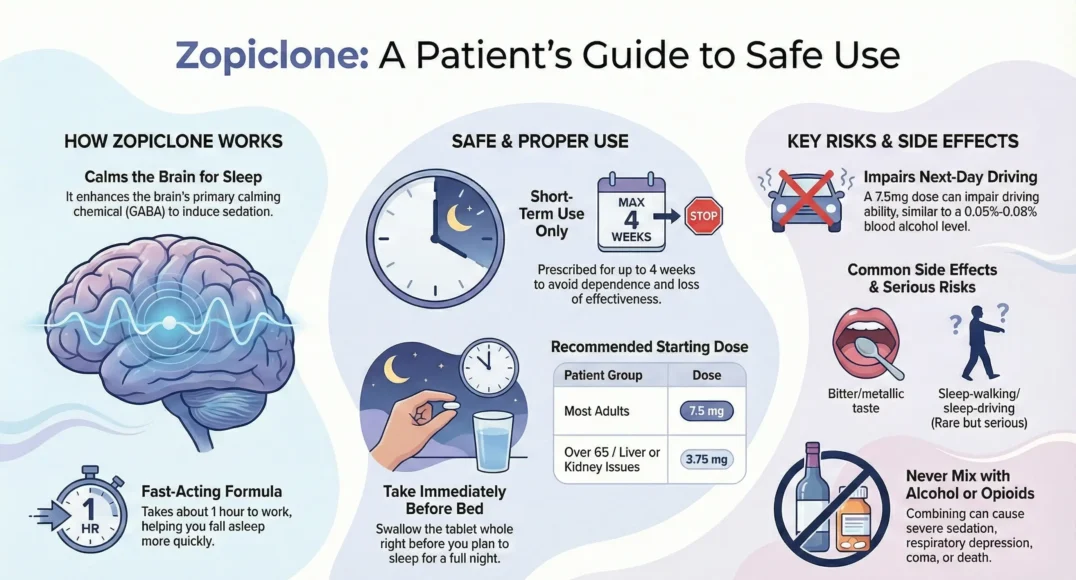
The zopiclone dosage range typically prescribed for adults falls between 3.75 mg and 7.5 mg, taken once daily before bedtime. This range allows doctors to tailor treatment based on individual needs, response, and risk factors.
Most patients start at the lower end of the dosing spectrum, with adjustments made only if necessary. The goal is always to use the minimum effective dose that helps you achieve restful sleep without causing problematic side effects.
Factors Affecting Your Prescribed Dose
Several factors influence the dose your doctor might recommend:
- Age: Older adults typically require lower doses due to slower medication metabolism
- Liver or kidney function: Reduced organ function necessitates dose adjustments
- Other medications: Drug interactions may require dosage modifications
- Severity of insomnia: More severe sleep disturbances might warrant higher doses
- Body weight and metabolism: Individual differences affect how the medication works
- Previous medication history: Prior response to sleep aids informs dosing decisions
Zopiclone Dosage for Adults: Standard Recommendations
For most adults under 65 years old, the standard zopiclone dosage adult recommendation is 7.5 mg taken immediately before going to bed. This dose has been shown to effectively reduce sleep latency (time to fall asleep) and improve sleep maintenance.
However, some patients may start with a lower dose, particularly if they:
- Are new to sleep medications
- Have concerns about side effects
- Take other medications that might interact with Zopiclone
- Have certain medical conditions affecting drug metabolism
Important timing considerations:
Take Zopiclone only when you can dedicate a full 7-8 hours to sleep. Taking it without sufficient sleep time can result in morning impairment, affecting your ability to drive or perform tasks requiring alertness.
The tablet should be swallowed whole with water and not crushed or chewed, as this can affect how the medication is released and absorbed.
Zopiclone Dosage for Sleep: Treating Insomnia
When prescribed specifically as a zopiclone dosage for sleep, the medication addresses several types of sleep difficulties:
Short-Term Insomnia Treatment
Zopiclone is most commonly prescribed for transient or short-term insomnia lasting a few days to a few weeks. This might occur due to:
- Stressful life events
- Temporary disruptions to sleep schedule
- Environmental changes
- Acute medical conditions
Typical treatment duration: 2-4 weeks maximum, with some healthcare providers limiting prescriptions to even shorter periods (7-10 days).
How It Helps With Sleep
At therapeutic doses, Zopiclone typically:
- Reduces the time it takes to fall asleep by 15-30 minutes
- Decreases nighttime awakenings
- Increases total sleep duration
- Improves subjective sleep quality
The medication begins working within 30-60 minutes of ingestion, with peak effects occurring around 1-2 hours after taking it.
Zopiclone Dosage 10 mg: When Is It Prescribed?
While not standard in many countries, zopiclone dosage 10 mg may be available in certain regions or prescribed in specific circumstances. However, this higher dose is not universally approved and carries increased risks.
Important Considerations
Most medical guidelines recommend against routinely exceeding 7.5 mg due to:
- Increased side effects: Higher doses significantly raise the likelihood of morning drowsiness, dizziness, and cognitive impairment
- Greater dependency risk: Stronger doses can lead to faster tolerance development
- Diminishing returns: The additional sleep benefit from higher doses is often minimal compared to increased risks
If you find 7.5 mg ineffective, your doctor should explore the underlying causes of persistent insomnia rather than automatically increasing the dose. Sleep hygiene improvements, cognitive behavioral therapy for insomnia (CBT-I), or addressing underlying health conditions often prove more beneficial than dose escalation.
Zopiclone Dosage 15mg: Understanding the Risks
A zopiclone dosage 15mg is considered significantly above recommended levels and is generally not prescribed by responsible healthcare providers. This dose substantially increases the risk of:
Serious Side Effects
- Severe morning grogginess and “hangover” effects
- Significant cognitive impairment
- Increased fall risk, particularly in older adults
- Memory problems and anterograde amnesia
- Respiratory depression, especially when combined with other central nervous system depressants
- Complex sleep behaviors (sleep-walking, sleep-driving)
Overdose Concerns
Taking 15 mg effectively doubles the standard therapeutic dose, moving into potentially dangerous territory. Symptoms of excessive dosing include:
- Extreme drowsiness and difficulty waking
- Confusion and disorientation
- Slurred speech
- Loss of coordination
- Dangerously slowed breathing
- Loss of consciousness
Never take more than prescribed. If you feel your current dose isn’t working, contact your healthcare provider rather than self-adjusting your medication.
Zopiclone Dosage Max: What’s the Maximum Safe Dose?
The zopiclone dosage max recommended by most medical authorities is 7.5 mg per day for standard adult patients. Some prescribing guidelines allow up to 10 mg in exceptional circumstances, but doses beyond this threshold are considered unsafe and inappropriate.
Regulatory Guidelines
Different countries have slightly varying maximum recommendations:
- Zopiclone UK and EU: Maximum 7.5 mg daily
- Canada: Maximum 7.5 mg daily
- Zopiclone Australia: Maximum 7.5 mg daily
These limits exist because clinical studies have not demonstrated meaningful additional benefits at higher doses, while risks increase substantially.
Special Populations
Certain groups require even lower maximum doses:
Older adults (65+ years): Maximum Zopiclone 3.75 mg daily, as aging affects drug metabolism and clearance
Patients with liver impairment: Typically limited to 3.75 mg due to reduced medication breakdown
Patients with kidney problems: Dose adjustments may be necessary, though Zopiclone is primarily metabolized by the liver
Zopiclone Dosage for Anxiety: Off-Label Considerations
While some people inquire about zopiclone dosage for anxiety, it’s important to understand that Zopiclone is not primarily an anti-anxiety medication. It’s specifically designed and approved for short-term insomnia treatment.
Why Zopiclone Isn’t First-Line for Anxiety
Zopiclone belongs to the “Z-drug” class of hypnotics, which primarily promotes sleep rather than directly treating anxiety disorders. While improving sleep may indirectly help anxiety symptoms—since poor sleep and anxiety often create a vicious cycle—Zopiclone doesn’t address the underlying anxiety condition.
Appropriate Anxiety Treatments
If you’re experiencing anxiety, your healthcare provider will typically recommend:
- First-line options: Cognitive behavioral therapy (CBT), selective serotonin reuptake inhibitors (SSRIs), or serotonin-norepinephrine reuptake inhibitors (SNRIs)
- Short-term options: Benzodiazepines may be used briefly for acute anxiety, though they carry similar dependency concerns
- Lifestyle interventions: Exercise, stress management, mindfulness practices
When Anxiety Affects Sleep
If anxiety is causing insomnia, your doctor might prescribe Zopiclone for the sleep component while simultaneously addressing anxiety through appropriate treatments. In such cases, the standard dosing recommendations still apply (3.75-7.5 mg at bedtime).
Using Zopiclone solely for its mild anxiolytic (anti-anxiety) effects is not recommended and increases the risk of inappropriate long-term use and dependence.
Important Safety Tips and Precautions
To use Zopiclone safely and effectively, follow these essential guidelines:
Timing and Administration
- Take only once daily, immediately before bed
- Ensure you have 7-8 hours available for sleep
- Avoid taking a second dose if you wake during the night
- Don’t take with or shortly after a large meal, as this can delay absorption
What to Avoid
Alcohol: Never combine Zopiclone with alcoholic beverages. Both are central nervous system depressants, and combining them significantly increases the risk of dangerous respiratory depression, extreme sedation, and complex sleep behaviors.
Driving and machinery: Do not drive or operate machinery for at least 12 hours after taking Zopiclone. Morning impairment can occur even if you feel alert.
Other sedatives: Be cautious with any other medications that cause drowsiness, including certain antihistamines, opioids, or other sleep aids.
Duration of Use
Zopiclone is intended for short-term use only—typically no more than 2-4 weeks. Longer use increases risks of:
- Tolerance: Needing higher doses to achieve the same effect
- Dependence: Physical or psychological reliance on the medication
- Rebound insomnia: Worsening sleep problems when stopping the medication
- Withdrawal symptoms: Anxiety, tremors, or seizures with abrupt discontinuation
If you’ve been taking Zopiclone regularly, never stop suddenly. Work with your doctor to gradually reduce your dose to minimize withdrawal effects.
Common Side Effects
Even at appropriate doses, Zopiclone can cause side effects. Common ones include:
- Metallic or bitter taste in the mouth (very common)
- Dry mouth
- Morning drowsiness or grogginess
- Dizziness
- Headache
- Fatigue during the day
Less common but more serious effects include:
- Memory problems or amnesia
- Confusion or disorientation
- Mood changes or depression
- Unusual behaviors during sleep
- Allergic reactions (rash, itching, swelling)
Contact your healthcare provider if you experience concerning or persistent side effects.
Who Should Not Take Zopiclone?
Zopiclone may not be appropriate if you have:
- Severe respiratory problems or sleep apnea
- Myasthenia gravis (a neuromuscular disorder)
- Severe liver disease
- History of drug or alcohol abuse
- Mental health conditions that might worsen with sedatives
- Allergy to Zopiclone or similar medications
Pregnant or breastfeeding women should generally avoid Zopiclone unless the benefits clearly outweigh potential risks. The medication can pass through breast milk and cross the placental barrier.
Developing Better Sleep Without Medication
While Zopiclone can provide short-term relief, addressing underlying sleep issues through non-pharmaceutical approaches offers lasting benefits without medication risks.
Sleep Hygiene Practices
- Maintain a consistent sleep schedule, even on weekends
- Create a dark, quiet, cool sleeping environment
- Limit screen time for 1-2 hours before bed
- Avoid caffeine after early afternoon
- Exercise regularly, but not close to bedtime
- Manage stress through relaxation techniques
Cognitive Behavioral Therapy for Insomnia (CBT-I)
CBT-I is considered the gold standard treatment for chronic insomnia. This structured program helps you identify and change thoughts and behaviors affecting sleep. Research shows CBT-I often produces better long-term results than medication alone.
Take the Next Step Toward Better Sleep
If you’re struggling with insomnia, you don’t have to suffer in silence. Schedule an appointment with your healthcare provider to discuss your sleep concerns and explore appropriate treatment options.
Your doctor can help determine whether Zopiclone or another approach is right for you, prescribe the correct dosage based on your individual needs, and monitor your progress to ensure safe and effective treatment.
Remember, quality sleep is essential for your overall health and well-being. With professional guidance and the right treatment plan, you can work toward achieving the restful, restorative sleep you deserve.
FAQs
What is the normal dose of Zopiclone for sleep?
The standard dose for most adults is 7.5 mg taken once daily before bedtime. Older adults or those with certain health conditions typically start with 3.75 mg.
Can I take 15 mg of Zopiclone?
No, 15 mg significantly exceeds recommended maximum doses and carries serious risks, including severe sedation, respiratory depression, and other dangerous side effects. Never exceed your prescribed dose.
How long does Zopiclone take to work?
Zopiclone typically begins working within 30-60 minutes. Take it only when you’re ready to go to sleep and can remain in bed for 7-8 hours.
Can I take Zopiclone every night?
Zopiclone is designed for short-term use only, typically 2-4 weeks maximum. Nightly use beyond this period increases dependency risk and should only occur under close medical supervision.
What happens if I miss a dose?
If you miss a bedtime dose and it’s still nighttime, only take it if you have 7-8 hours remaining before you need to be awake. If it’s closer to morning, skip the dose and return to your normal schedule the next night. Never double up on doses.
Is 3.75 mg of Zopiclone effective?
Yes, 3.75 mg can be effective for many people, especially older adults or those sensitive to medications. This lower dose reduces side effect risks while still providing sleep benefits.
Can Zopiclone help with anxiety?
Zopiclone is not approved for anxiety treatment. While it may have mild calming effects, it’s specifically designed for sleep disorders. Anxiety should be treated with appropriate anti-anxiety therapies.
What should I do if my current dose isn’t working?
Don’t increase your dose on your own. Contact your healthcare provider to discuss your ongoing sleep difficulties. They may adjust your treatment plan, address underlying causes, or recommend alternative approaches
References
Board-Certified Urologist | Andrology Specialist | Men’s Health Expert
Dr. Kelly Brown is a board-certified urologist and fellowship-trained andrologist with 8 years of experience and expertise in male fertility, microsurgery, and sexual function. She previously served as Medical Director of a male fertility startup, where she led strategy and development of an innovative digital health platform.