
Is Zopiclone Addictive?
If you are having trouble sleeping and your doctor mentioned zopiclone, you are probably wondering: is zopiclone addictive? That is a smart question to ask — and you deserve a clear, honest answer.
Millions of people around the world struggle with insomnia. Not being able to fall asleep, waking up in the middle of the night, or lying awake for hours is exhausting. Zopiclone is one of the most commonly prescribed sleeping pills to help with this. But like many medicines that affect the brain, it comes with real risks — including the risk of dependence.
This guide explains how zopiclone works, whether it is truly addictive, how to use it safely, and what to watch out for. We keep the language simple and the facts accurate, so you can make a well-informed decision.
Yes, zopiclone can be addictive, especially when it is taken regularly or for longer than prescribed. The body can become used to the medicine, leading to tolerance and dependence. Some people may feel they need zopiclone to sleep or may experience withdrawal symptoms if they stop suddenly.
Because of this, zopiclone is generally intended for short-term use. If you have been taking it regularly, do not stop suddenly without speaking with your doctor, as withdrawal can cause problems such as anxiety, shaking, and worse sleep.
What Is Zopiclone and How Does It Work?
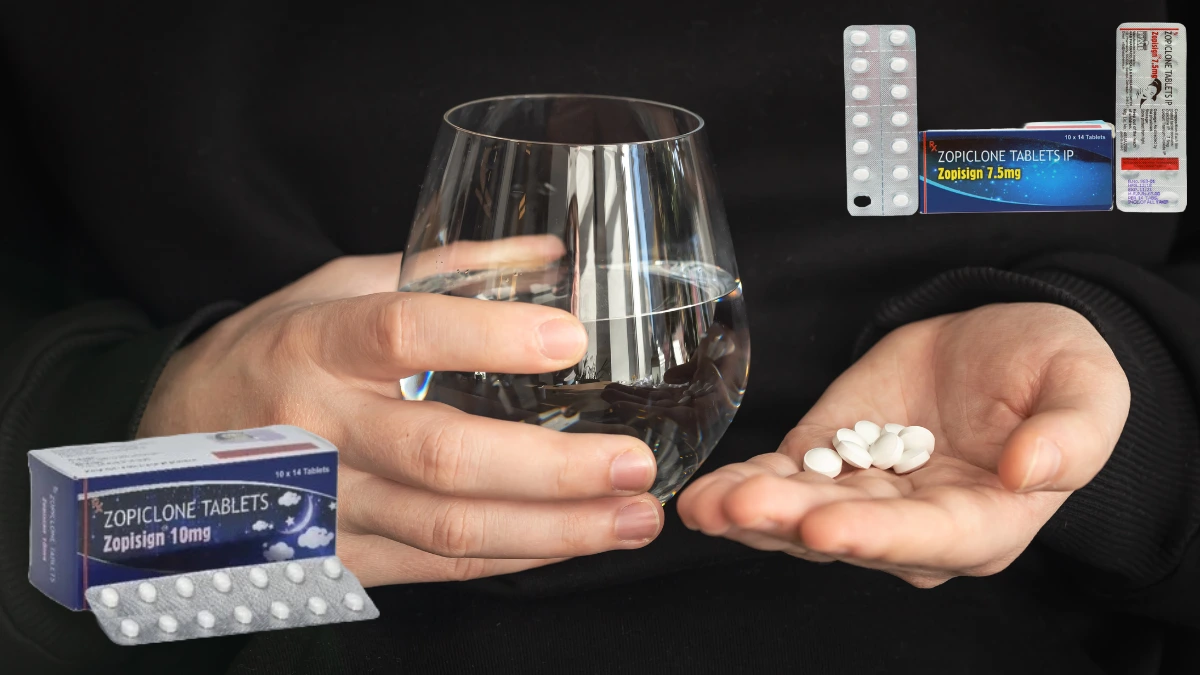
Zopiclone is a non-benzodiazepine hypnotic medicine, sometimes called a “Z-drug.” It is prescribed to people who have trouble sleeping — especially those who struggle to fall asleep or who wake up too early in the night.
It works by acting on receptors in your brain called GABA receptors. GABA is a chemical that slows down brain activity. Zopiclone makes GABA work more strongly, which helps your brain relax and drift into sleep faster.
Who Is Zopiclone Typically Prescribed To?
- Adults with short-term, severe insomnia
- People whose sleep problems affect their daily life or work
- Those who have tried other sleep hygiene methods without success
- Patients under medical supervision for sleep disorders
Zopiclone is usually prescribed for short-term use only — typically 2 to 4 weeks at most. This is because the longer you use it, the higher the risk of dependence and tolerance.
Zopiclone is a prescription-only medicine in most countries. Never take it without a valid prescription. Self-medicating with sleep aids can lead to serious health problems, including addiction and withdrawal symptoms.
Why Is Zopiclone Considered Habit-Forming?
When people ask “is zopiclone addictive,” the answer depends on a few things: how long you use it, how much you take, and your personal risk factors. Here is why dependence can develop:
1. Tolerance Builds Quickly
Your brain can get used to zopiclone in as little as a few weeks. When that happens, the usual dose stops working as well, and you may feel like you need more to get the same sleep effect. This is called tolerance, and it is the first step toward dependence.
2. Physical Dependence Can Develop
Over time, your brain adjusts to having zopiclone present. When you stop taking it, your brain struggles to return to normal on its own. This leads to withdrawal symptoms, which can include anxiety, sweating, shaking, and severe insomnia — sometimes worse than before you started.
3. Psychological Craving
Some people develop a psychological need for zopiclone — they believe they cannot sleep without it. This mental dependence is just as real as the physical kind. It can happen even before physical dependence fully sets in.
Zopiclone vs. Other Common Sleep Aids: A Comparison
It helps to understand how zopiclone stacks up against other sleeping medicines. Here is a clear, side-by-side comparison:
| Feature | Zopiclone | Zolpidem (Ambien) | Melatonin | Diazepam (Benzodiazepine) |
|---|---|---|---|---|
| Drug Class | Z-drug (non-BZD hypnotic) | Z-drug (non-BZD hypnotic) | Natural hormone supplement | Benzodiazepine |
| Prescription Required | Yes | Yes | No (OTC) | Yes |
| Addiction Risk | Moderate–High | Moderate | Very Low | High |
| Onset of Action | 30–60 minutes | 15–30 minutes | 30–90 minutes | 30–60 minutes |
| Duration of Effect | 6–8 hours | 6–8 hours | 4–6 hours | 8–24 hours |
| Withdrawal Symptoms | Yes — possible | Possible | Rare/None | Yes — severe |
| Recommended Duration | Max 2–4 weeks | Max 2–4 weeks | Short or long term | Max 2–4 weeks |
| Next-Day Drowsiness | Common | Possible | Rare | Common |
| Bitter Metallic Taste | Yes (known side effect) | No | No | No |
Scores are general clinical estimates for educational comparison only. Not a substitute for medical advice.
Zopiclone Side Effects: Common, Rare, and Serious
Like any medicine, zopiclone can cause side effects. Knowing these in advance helps you use it more safely.
Common Side Effects
- Bitter or metallic taste in the mouth — the most well-known side effect of zopiclone
- Dry mouth
- Drowsiness or grogginess the morning after
- Dizziness or light-headedness
- Headache
- Stomach upset or nausea
Less Common Side Effects
- Memory problems (especially forgetting things that happened after taking the pill)
- Confusion, especially in older adults
- Mood changes: feeling low, anxious, or irritable
- Sleepwalking or doing things while not fully awake (rare but reported)
Safety Tips for Using Zopiclone
- Never mix zopiclone with alcohol — this can cause dangerous sedation and slow your breathing
- Do not drive or operate machinery the next morning if you feel groggy
- Avoid taking it with other sedative medicines unless your doctor says it is safe
- Tell your doctor if you have a history of substance abuse — this increases your addiction risk
- Do not take a double dose if you miss one
Zopiclone Dosage and Usage Guide
The standard adult dose of zopiclone is 7.5 mg, taken by mouth just before bedtime. It should only be taken when you have at least 7–8 hours set aside for sleep.
Lower Doses for Some Groups
- Elderly patients: Typically started on 3.75 mg to reduce the risk of falls and confusion
- Liver problems: May require a reduced dose — your doctor will advise
- Kidney problems: Usually tolerated but still monitored carefully
How Long Should You Take It?
Most guidelines recommend using zopiclone for no more than 2 to 4 weeks. Some doctors may allow a slightly longer course in special cases, but continuous long-term use is generally not recommended due to the risk of dependence.
Stopping Zopiclone Safely
Do not stop zopiclone suddenly if you have been taking it for more than a few weeks. A doctor should help you reduce the dose gradually (called tapering). This lowers the chance of withdrawal symptoms and rebound insomnia.
If you feel like you cannot sleep without zopiclone, or you find yourself wanting to take more than prescribed, talk to your doctor right away. This could be an early sign of dependence, and there are safe ways to address it with professional help.
Who Should — and Should Not — Use Zopiclone?
Zopiclone May Be Suitable If:
- You have severe, short-term insomnia affecting your daily life
- Other methods (sleep hygiene, relaxation, CBT-I therapy) have not worked
- Your doctor has assessed your medical history and thinks it is appropriate
- You commit to using it only for the prescribed duration
Zopiclone Is Not Recommended If:
- You have a history of addiction to alcohol, drugs, or other medicines
- You have severe liver disease
- You have myasthenia gravis or severe breathing problems
- You are pregnant or breastfeeding
- You are under 18 years old
- You need a long-term sleep solution (zopiclone is not designed for this)
Frequently Asked Questions About Zopiclone Addiction
🏁 Final Verdict: Is Zopiclone Worth It?
Zopiclone is a genuinely effective short-term treatment for severe insomnia. When used correctly, for a limited time, under a doctor’s guidance, it can meaningfully improve your sleep and quality of life.
But the addiction risk is real. It is not a medicine to take lightly, to use long-term, or to self-prescribe. If you already have a tendency toward dependence, there may be safer options available to you.
The best approach: use it only when truly needed, follow your doctor’s exact instructions, and always have a plan to stop safely. Your sleep matters — but so does your long-term health.
References
Board-Certified Urologist | Andrology Specialist | Men’s Health Expert
Dr. Kelly Brown is a board-certified urologist and fellowship-trained andrologist with 8 years of experience and expertise in male fertility, microsurgery, and sexual function. She previously served as Medical Director of a male fertility startup, where she led strategy and development of an innovative digital health platform.