

How Much Ivermectin for Humans?

When it comes to understanding medication dosages, accuracy and reliable information are essential. If you’re researching how much ivermectin for humans, you likely want to understand both the science behind this medication and the proper ways it should be used under medical supervision. This comprehensive guide explores everything you need to know about ivermectin dosing for human use, from FDA-approved applications to important safety considerations that healthcare providers emphasize.
What Is Ivermectin and How Does It Work?
Ivermectin is a medication belonging to a class of drugs called anthelmintics, which are used to treat parasitic infections. Originally discovered from a soil bacterium found in Japan, ivermectin has become one of the most widely used antiparasitic medications globally. The medication works by interfering with the nervous system and muscle function of parasitic organisms, causing them to become paralyzed and be eliminated from the body.
The FDA approved ivermectin for human use in 1987, initially for treating parasitic infections caused by various worms and parasites. Since its approval, it has been used in numerous medical applications and has even earned recognition in public health initiatives, particularly in developing countries where parasitic infections are more prevalent. Understanding how much ivermectin for humans requires context about its legitimate medical uses and the specific conditions it addresses.
Ivermectin Development Timeline and Key Milestones
| Year | Milestone |
|---|---|
| 1975 | Ivermectin discovered from soil bacterium Streptomyces avermitilis in Japan |
| 1981 | FDA approves ivermectin for veterinary use |
| 1987 | FDA approves Stromectol (ivermectin) for human use – treats onchocerciasis and strongyloidiasis |
| 1988-Present | WHO and various NGOs establish mass drug administration programs; 1 billion+ doses distributed globally |
| 1997 | Ivermectin added to WHO Essential Medicines List |
| 2015 | Nobel Prize in Physiology/Medicine awarded for discovery of ivermectin and other antiparasitic agents |
| 2023 | Onchocerciasis eliminated in Colombia, Ecuador, Yemen, and several other countries |
| 2026 | Ongoing programs treat 200+ million people annually; continued efforts toward disease elimination |
Timeline based on FDA records, WHO documentation, and historical public health data.
Ivermectin is available in several formulations, including oral tablets and topical creams, each designed for specific conditions and patient populations. The medication has a well-documented safety profile when used as prescribed, though like all medications, it carries potential risks that require careful consideration.
What Are the FDA-Approved Uses for Ivermectin in Humans?
Ivermectin’s primary approved uses in humans focus on treating specific parasitic infections. The FDA has approved ivermectin for the following conditions:
Onchocerciasis (River Blindness): This parasitic disease, caused by the filarial worm Onchocerca volvulus, is transmitted through the bites of infected blackflies. Ivermectin is used to treat the microfilarial stage of infection, providing significant relief from symptoms and preventing disease progression.
Strongyloidiasis: Caused by the parasitic roundworm Strongyloides stercoralis, this infection can cause serious complications if left untreated. Ivermectin effectively eliminates the parasites and is often the first-line treatment choice.
Scabies: While not the traditional treatment route, ivermectin oral formulations are sometimes used for scabies infestations, particularly in institutional settings or for patients who cannot tolerate topical treatments. Scabies is a skin infestation caused by the Sarcoptes scabiei mite.
Lymphatic Filariasis: This condition is caused by parasitic worms transmitted by mosquitoes. Ivermectin is used in mass drug administration programs, particularly in endemic regions.
Each of these FDA-approved uses involves specific dosing guidelines based on the patient’s weight, age, and the particular parasitic infection being treated. Understanding how much ivermectin for humans to take depends entirely on which condition is being treated and must always be determined by a qualified healthcare provider.
How Much Ivermectin for Humans: General Dosage Guidelines
The appropriate dosage of ivermectin varies significantly based on the specific condition being treated. Rather than providing a one-size-fits-all answer, it’s important to understand that healthcare providers calculate ivermectin doses based on several factors.
Recommended Ivermectin Products
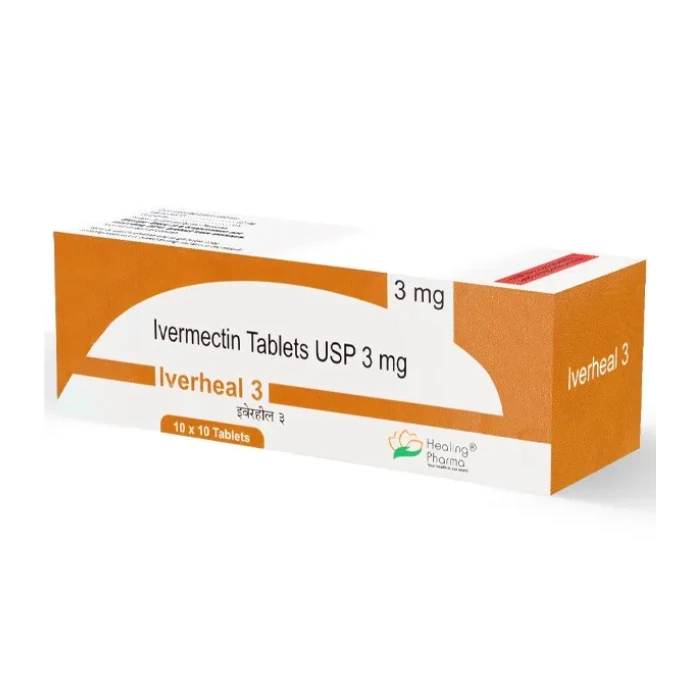
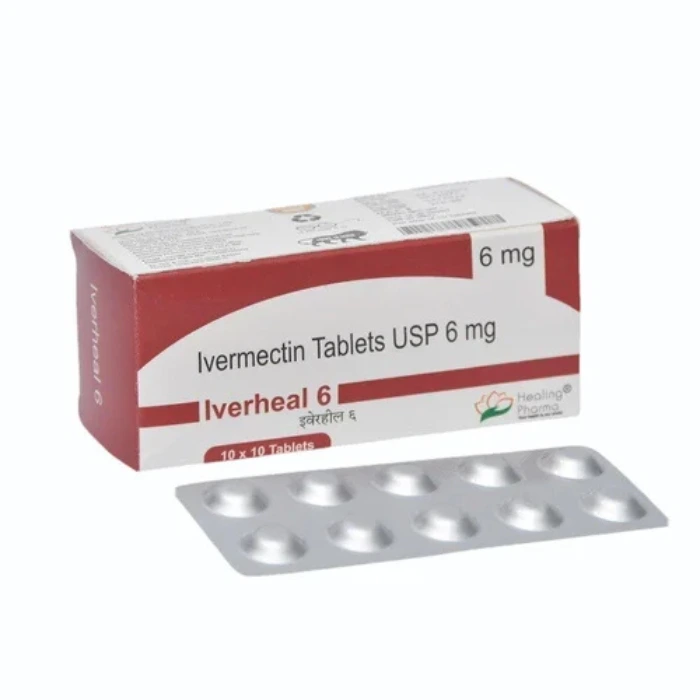
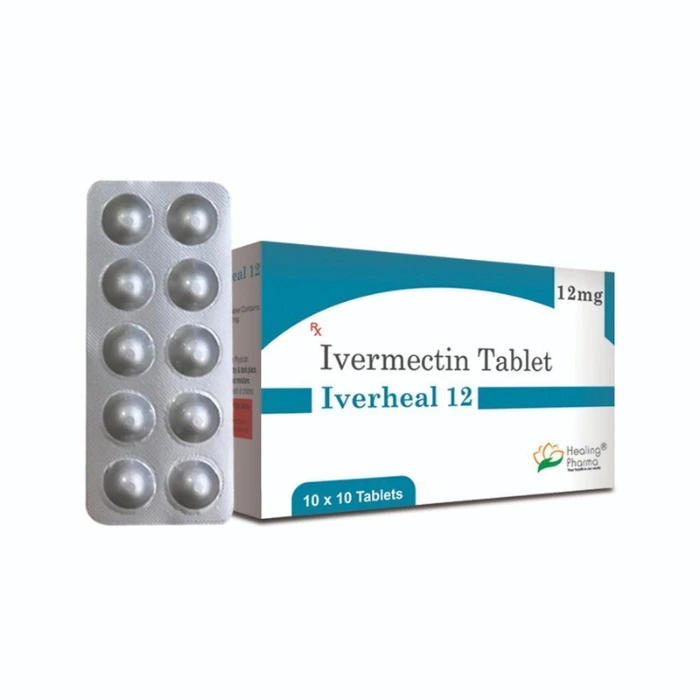
Dosage Calculation Factors: The most critical factor in determining how much ivermectin for humans is body weight. Ivermectin is typically dosed at 200 micrograms per kilogram of body weight. A patient weighing 70 kilograms, for example, would require a different dose than a patient weighing 50 kilograms. Age, kidney and liver function, and the specific parasitic infection also influence Ivermectin dosage calculations.
Ivermectin Dosage by Body Weight Calculator
| Body Weight (kg) | Standard Dose (200 mcg/kg) | Typical Tablet Count (3mg tablets) |
|---|---|---|
| 40 kg | 8,000 mcg (8 mg) | ~2-3 tablets |
| 50 kg | 10,000 mcg (10 mg) | 3 tablets |
| 60 kg | 12,000 mcg (12 mg) | 4 tablets |
| 70 kg | 14,000 mcg (14 mg) | ~4-5 tablets |
| 80 kg | 16,000 mcg (16 mg) | 5 tablets |
| 90 kg | 18,000 mcg (18 mg) | ~6 tablets |
Note: This table is for informational purposes only. Actual dosing must be determined by a healthcare provider based on the specific condition being treated, individual patient factors, and clinical judgment. Tablet counts are approximate and based on standard 3mg formulations.
Standard Dosing for Onchocerciasis: For treating river blindness, the typical dosage is 150 micrograms per kilogram of body weight as a single oral dose. Treatment may be repeated every 3 to 12 months, depending on clinical response and re-exposure risk. This dosing has been established through extensive clinical research and public health programs involving millions of patients.
Standard Dosing for Strongyloidiasis: For intestinal strongyloidiasis, the recommended dosage is 200 micrograms per kilogram of body weight given orally. This may be administered as a single dose or divided into two doses on the same day, depending on the patient’s condition and the healthcare provider’s judgment.
Standard Dosing for Scabies: When used orally for scabies treatment, the typical dose is 200 micrograms per kilogram of body weight, repeated after 1 to 2 weeks. Topical formulations for scabies (different preparations) are applied directly to the skin according to specific instructions.
Ivermectin Dosage Comparison by Condition
| Condition | Dose (mcg/kg) | Frequency | Clinical Efficacy |
|---|---|---|---|
| Onchocerciasis | 150 | Every 3-12 months | ~99% microfilarial reduction |
| Strongyloidiasis | 200 | Single or divided dose | ~95-98% cure rate |
| Scabies | 200 | Repeat after 1-2 weeks | ~90-95% cure rate |
| Lymphatic Filariasis | 200 | Annual or semi-annual | ~94% microfilarial clearance |
Data sourced from FDA-approved prescribing information and WHO treatment guidelines. Efficacy rates represent clinical studies and real-world usage.
It’s crucial to emphasize that these are general informational guidelines. The exact dose that is appropriate for any individual patient must be determined by their healthcare provider, who will consider their complete medical history, current medications, and specific clinical situation.
Global Ivermectin Usage and Impact: Key Analytics
Ivermectin has become one of the most widely distributed medications globally, particularly in mass drug administration programs. Understanding the scale and impact of ivermectin treatment provides context for its importance in global health.
Global Ivermectin Distribution and Impact Statistics
| Metric | Data |
|---|---|
| People Treated Annually (WHO Programs) | 200+ million globally |
| Countries with Active Programs | 80+ endemic countries |
| Years Since FDA Approval | ~37 years (since 1987) |
| Onchocerciasis Cases Prevented Annually | ~500,000+ cases |
| Blindness Cases Prevented | ~10,000+ annually |
| Estimated Serious Adverse Events | <0.1% in approved uses |
| WHO Essential Medicines List Status | Core medicine (since 1997) |
| Prize Recognition (Discoverers) | Nobel Prize in Physiology/Medicine (2015) |
Data sourced from WHO, CDC, and published epidemiological studies. Statistics represent global public health program data and clinical trial results.
Understanding the mechanism of action helps clarify why ivermectin is effective for specific parasitic infections. Ivermectin works by binding to specific glutamate-gated chloride channels in the parasite’s nervous system. This binding increases the permeability of the cell membrane to chloride ions, leading to hyperpolarization of the cell and ultimately paralysis of the parasite.
For parasitic worms, this means the organisms lose their ability to move and feed, leading to their elimination from the body. The drug is particularly effective against certain types of roundworms and filarial parasites. The selectivity of ivermectin for parasitic organisms, compared to mammalian cells, is due to structural differences in these chloride channels, which contributes to its relatively favorable safety profile in humans.
The effectiveness of ivermectin also depends on the life cycle stage of the parasite. In some infections, ivermectin primarily affects microfilariae (immature forms of the parasite), while adult worms may be less susceptible. This is why treatment regimens sometimes involve multiple doses spaced over time.
Benefits and Advantages of Ivermectin Treatment
When appropriately prescribed for FDA-approved indications, ivermectin offers several significant benefits:
High Efficacy: Ivermectin demonstrates high effectiveness rates against the parasites it targets. For onchocerciasis, a single dose can reduce microfilarial loads by 99%, providing rapid symptom relief and preventing complications like blindness.
Convenient Administration: As an oral medication, ivermectin is easier to administer than some alternative treatments. It doesn’t require injections or complex application procedures, making it particularly valuable in resource-limited settings and mass drug administration programs.
Well-Established Safety Record: Decades of use in treating parasitic infections have established ivermectin’s safety profile when used appropriately. The medication has been administered to hundreds of millions of people worldwide through public health programs.
Cost-Effectiveness: Compared to some alternative antiparasitic treatments, ivermectin is relatively inexpensive, making it accessible in developing countries where parasitic infections are more common.
Rapid Symptom Relief: Many patients experience improvement in symptoms within days to weeks of starting treatment, particularly with scabies, where itching often diminishes quickly.
Prevention of Serious Complications: For conditions like onchocerciasis and strongyloidiasis, timely treatment prevents severe complications, including blindness and disseminated infections.
Potential Side Effects and Safety Considerations
Like all medications, ivermectin can cause side effects, though many patients tolerate it well. Understanding potential adverse effects is essential for informed decision-making about this medication.
Ivermectin Side Effects Frequency Data
| Side Effect | Frequency in Clinical Studies | Severity | Duration |
|---|---|---|---|
| Headache | 15-20% | Mild to moderate | 1-2 days |
| Muscle/Joint Pain | 10-15% | Mild to moderate | 1-3 days |
| Fever | 5-10% | Mild to moderate | 1-2 days |
| Gastrointestinal Symptoms | 5-8% | Mild | 1-2 days |
| Dizziness | 3-5% | Mild | 1 day |
| Serious Adverse Events | <0.1% | Variable | Variable |
Frequency data based on clinical trials of ivermectin for approved parasitic infections. Side effects are often related to immune response against dying parasites rather than drug toxicity.
Common Side Effects: The most frequently reported side effects are related to the body’s immune response to dying parasites rather than direct toxicity from the drug itself. These include headache, dizziness, muscle or joint pain, fever, and fatigue. Gastrointestinal symptoms such as nausea, diarrhea, and abdominal pain can also occur. These side effects typically resolve within 1 to 2 days as the parasite burden decreases.
Mazzotti Reaction: In patients with onchocerciasis, a particularly important consideration is the Mazzotti reaction, an inflammatory response triggered by the death of microfilariae. This reaction can cause severe pruritus (itching), fever, and occasionally more serious manifestations. Healthcare providers often manage this by starting with lower doses or using anti-inflammatory medications.
Serious Adverse Effects: While rare, serious adverse effects can include severe skin reactions, abnormal liver function tests, and neurological symptoms. These are uncommon when ivermectin is used at appropriate doses for approved indications.
Risk of Increased Microfilarial Levels: In some parasitic infections, ivermectin primarily kills microfilariae but not adult worms. Patients may require repeated treatments, and in some cases, temporary increases in microfilarial levels can occur during treatment cycles.
Special Precautions: Ivermectin should be used with caution in patients with compromised immune systems, as they may be at increased risk for severe reactions. Patients with meningitis should avoid ivermectin, as it can increase the risk of neurotoxicity. Pregnant women should generally avoid ivermectin except in carefully considered circumstances where benefits outweigh potential risks.
Drug Interactions: Ivermectin can interact with other medications, particularly those affecting liver metabolism. Patients taking warfarin or other anticoagulants should inform their healthcare providers, as ivermectin may potentiate these effects.
When Should Ivermectin Be Used and When Should It Be Avoided?
Determining whether ivermectin is appropriate requires professional medical assessment. Healthcare providers evaluate several factors when considering ivermectin therapy:
Appropriate Use Scenarios: Ivermectin is appropriate when a patient has been diagnosed with a parasitic infection susceptible to ivermectin treatment through confirmed laboratory testing. The patient must have adequate liver and kidney function to metabolize and eliminate the medication. Patients without contraindications and who understand the treatment goals are suitable candidates.
Situations Requiring Caution: Patients with severe liver or kidney disease require dose adjustments or may need alternative treatments. Pregnant women in their first trimester should generally avoid ivermectin unless the benefits of treating a serious infection outweigh the risks. Patients with conditions causing blood-brain barrier compromise need careful evaluation before ivermectin administration.
When Ivermectin Should Not Be Used: Ivermectin is contraindicated in patients with known hypersensitivity to the medication. It should be avoided in patients with conditions that could be worsened by the inflammatory response to dying parasites, particularly those with significant microfilaremia levels without appropriate management.
Off-label use of ivermectin for conditions without proven efficacy or for which it is not FDA-approved represents a different scenario entirely. While healthcare providers have the ability to prescribe medications off-label in certain circumstances, such use should be based on established evidence, appropriate risk-benefit analysis, and informed patient consent.
How Is Ivermectin Diagnosis Confirmed Before Treatment?
Before prescribing ivermectin, healthcare providers must confirm the presence of a parasitic infection susceptible to this medication. Diagnosis typically involves several steps:
Clinical Assessment: The healthcare provider evaluates symptoms and patient history for exposure to parasites. Questions about travel to endemic regions, living conditions, and specific symptoms help guide diagnosis.
Laboratory Testing: Definitive diagnosis usually requires laboratory confirmation. For intestinal parasites like strongyloidiasis, stool examination or stool culture is performed. For filarial infections, blood tests may reveal the presence of microfilariae. For scabies, examination of skin scrapings under a microscope can identify mites.
Serological Tests: In some cases, blood tests that detect antibodies or antigens specific to the parasitic infection help confirm diagnosis, particularly when the parasite burden is low.
Imaging Studies: Occasionally, imaging studies like ultrasound or CT scans may be used to assess the extent of infection or rule out complications.
This diagnostic process is essential not only for determining whether ivermectin is appropriate but also for establishing the proper dosage and duration of treatment.
Frequently Asked Questions About Ivermectin Dosage for Humans
Quick Reference Guide: Key Facts About Ivermectin
Ivermectin at a Glance
Medication Class: Anthelmintic (antiparasitic)
FDA Approval Date: 1987
Standard Dosing: 150-200 mcg/kg body weight (varies by condition)
Common Formulations: 3mg tablets, topical creams (6mg/gram)
Onset of Action: 24-72 hours for symptom relief
Most Common Side Effects: Headache (15-20%), muscle pain (10-15%), fever (5-10%)
Serious Side Effects: Rare (<0.1% in approved uses)
Contraindications: Pregnancy (1st trimester), hypersensitivity, certain neurological conditions
People Treated Annually (WHO): 200+ million
WHO Essential Medicine: Yes (since 1997)
Is ivermectin available without a prescription? Ivermectin is a prescription medication in most countries. While some topical formulations for animal use are available over-the-counter, human-grade ivermectin for treating systemic infections requires a healthcare provider’s prescription to ensure proper diagnosis, appropriate dosing, and monitoring for adverse effects.
Can ivermectin be used to treat viral infections? Ivermectin is not approved by the FDA for treating viral infections. While some in vitro and animal studies have shown potential antiviral properties, clinical evidence in humans is insufficient to support its use for viral infections. Using medications outside their approved indications without strong evidence is not recommended without careful medical supervision and informed consent.
How long does it take for ivermectin to work? The timeframe varies depending on the infection. For scabies, symptom improvement often occurs within 24 to 48 hours as the mites die. For filarial infections like onchocerciasis, reduction in microfilariae can be detected within days, though clinical symptoms may take longer to fully resolve. Some infections require repeated doses spaced weeks to months apart.
Can pregnant women take ivermectin? The FDA classifies ivermectin as Category C for pregnancy, meaning animal studies have shown adverse effects, but human studies are limited. Pregnant women should avoid ivermectin unless the benefits of treating a serious infection clearly outweigh potential risks. This determination should be made by the healthcare provider in consultation with the patient.
What should be done if a dose of ivermectin is missed? If a dose is missed, the patient should take it as soon as remembered unless it’s nearly time for the next dose. Taking two doses too close together can increase the risk of adverse effects. Specific guidance depends on the treatment regimen, so patients should contact their healthcare provider or pharmacist for personalized advice.
Are there any drug interactions with ivermectin? Ivermectin can interact with various medications. It may enhance the effects of anticoagulants and certain other drugs. Patients should inform their healthcare provider and pharmacist of all medications, supplements, and herbal products they’re taking. Healthcare providers can assess potential interactions and adjust treatment if necessary.
How is ivermectin stored and handled? Ivermectin tablets should be stored at room temperature, away from heat, light, and moisture. Storing medication in a cool, dry place and keeping it in its original container helps maintain effectiveness. Patients should keep ivermectin out of reach of children and follow any specific storage instructions provided with their medication.
What happens if someone takes too much ivermectin? Overdose of ivermectin can cause serious adverse effects, including neurotoxicity. Symptoms may include confusion, loss of coordination, tremors, or seizures. If an overdose is suspected, medical attention should be sought immediately. Patients should never exceed the dose prescribed by their healthcare provider.
Treatment Outcomes and Clinical Success Rates: Analytics
Clinical data from decades of ivermectin use in approved applications demonstrates high success rates. Understanding these outcomes helps contextualize the medication’s effectiveness in treating parasitic infections.
Ivermectin Treatment Success Rates by Condition
| Condition | Cure Rate | Parasite Reduction | Time to Symptom Relief |
|---|---|---|---|
| Strongyloidiasis | 95-98% | ~99.5% larvae reduction | 3-7 days |
| Scabies | 90-95% | ~100% mite eradication | 24-48 hours |
| Onchocerciasis | ~90% (microfilarial) | ~99% microfilariae reduction | 3-7 days (itch) |
| Lymphatic Filariasis | ~94% | ~94% microfilariae clearance | 5-14 days |
Data compiled from FDA approvals, WHO treatment guidelines, and peer-reviewed clinical studies published in major medical journals. Success rates reflect studies of patients who completed the prescribed treatment course.
The question of “how much ivermectin for humans” cannot be answered with a simple number because appropriate dosing is fundamentally individualized. It depends on accurate diagnosis, patient-specific factors, and ongoing medical monitoring. This is why professional medical supervision is absolutely essential.
Healthcare providers consider the complete clinical picture, including the specific parasite identified, the patient’s weight and age, kidney and liver function, concurrent medications, and medical history. They also monitor patients during and after treatment to assess effectiveness and manage any adverse effects.
Attempting to self-treat with ivermectin obtained without a prescription, or using doses intended for animal use, carries significant risks. These risks include incorrect dosing, using the medication for conditions where it’s ineffective or inappropriate, missing serious underlying conditions, and experiencing preventable adverse effects.
Ivermectin Pharmacokinetics: How the Body Processes the Drug
Understanding how the body absorbs, distributes, metabolizes, and eliminates ivermectin helps explain its effectiveness and safety profile. Pharmacokinetics describes what the body does to medication, which is essential knowledge for healthcare providers determining appropriate dosing.
| Pharmacokinetic Parameter | Value/Timeline |
|---|---|
| Time to Peak Concentration (Tmax) | 4 hours (fasted); 2 hours (with food) |
| Peak Plasma Concentration | Achieves within 4 hours of oral dose |
| Plasma Half-Life | 16-18 hours |
| Tissue Half-Life | ~2.5-3 days (longer in tissues than plasma) |
| Protein Binding | 93-98% |
| Metabolism | Hepatic (liver) via CYP3A4 enzymes |
| Elimination | Primarily fecal (>99%); minimal renal |
| Bioavailability | Increases significantly with fatty food (higher absorption) |
Data sourced from FDA prescribing information and pharmacokinetic studies in peer-reviewed literature. Understanding these parameters helps explain why food intake and liver function affect ivermectin absorption and effectiveness.
Conclusion: Making Informed Decisions About Ivermectin Treatment
Understanding how much ivermectin for humans requires recognizing that this is a medication with specific, FDA-approved uses for particular parasitic infections. Ivermectin has demonstrated safety and efficacy when prescribed appropriately, with decades of successful use in treating millions of patients worldwide.
The appropriate dose of ivermectin is not a fixed amount but rather a carefully calculated dose based on body weight, the specific condition being treated, and individual patient factors. Common dosing involves 150 to 200 micrograms per kilogram of body weight, but the exact dose must be determined by a healthcare provider after proper diagnosis.
Key takeaways include: First, a healthcare provider must confirm diagnosis of a parasitic infection susceptible to ivermectin through appropriate testing. Second, dosing should always be based on professional medical assessment and individualized for each patient. Third, like all medications, ivermectin carries potential side effects that require informed consideration. Finally, ongoing medical monitoring helps ensure safety and efficacy.
If you’re concerned about a possible parasitic infection or have questions about ivermectin treatment, consulting with a qualified healthcare provider is essential. They can evaluate your specific situation, determine whether ivermectin is appropriate, calculate the correct dose, and monitor your treatment response. Reliable health information empowers informed decision-making, but professional medical guidance ensures that decisions about medications like ivermectin are based on accurate diagnosis and individualized assessment of your health needs.
References
Clinical Pharmacist | Medication Therapy Specialist
Dr. Lindsay Cook, PharmD is a board-certified clinical pharmacist with 6+ years of professional experience in medication therapy management, drug safety, and patient care optimization. She has worked in both community pharmacy and consultant pharmacy roles — providing drug regimen reviews, supporting immunization programs, and collaborating with multidisciplinary healthcare teams to improve treatment outcomes in long-term care facilities.