
Arugula Benefits for Male

In 30 Seconds…
Arugula is a powerful leafy green that supports male health naturally. It helps boost testosterone levels, improves blood circulation, enhances libido, and supports fertility due to its high nitrate and antioxidant content. Rich in vitamins A, C, and K, arugula also promotes heart health, muscle recovery, and overall vitality in men. Adding arugula to your daily diet can be a simple yet effective way to improve male wellness.
For many men, maintaining optimal health, energy levels, and sexual wellness becomes increasingly important with age. Whether you’re concerned about stamina in the gym, performance in the bedroom, or simply maintaining hormonal balance and fertility, the foods you eat play a crucial role. Enter arugula—a peppery, nutrient-dense leafy green that’s been quietly supporting men’s health for centuries.
The arugula benefits for male health are impressive and backed by nutritional science, ranging from improved circulation and testosterone support to enhanced fertility and prostate protection. In this comprehensive guide, we’ll explore why this humble salad green deserves a permanent spot on your plate.
What Is Arugula? Understanding Rocket Leaves
Arugula, scientifically known as Eruca sativa and commonly called rocket or roquette, is a cruciferous vegetable belonging to the Brassicaceae family—the same plant family that includes broccoli, kale, and Brussels sprouts. This distinctive leafy green has been cultivated for thousands of years, with records of its use dating back to ancient Roman times when it was prized not just as food but as an aphrodisiac and vitality enhancer.
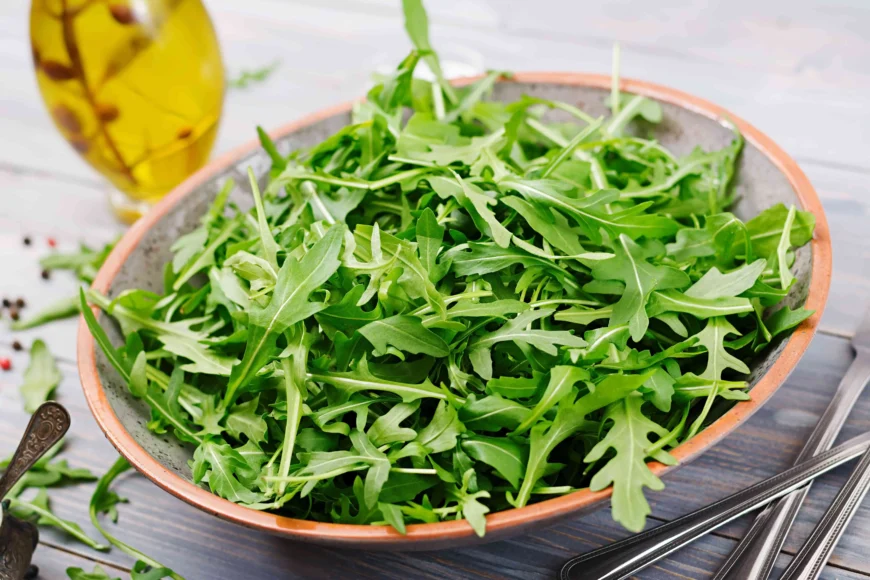
Native to the Mediterranean region, arugula grows quickly and thrives in cooler climates. Its dark green, serrated leaves pack a peppery, slightly bitter punch that adds complexity to salads, sandwiches, and cooked dishes. Unlike milder greens, arugula’s bold flavor comes from glucosinolates—sulfur-containing compounds that contribute to many of its health-promoting properties.
In recent years, arugula has gained significant attention in the men’s health community, and for good reason. Modern nutritional research has validated what ancient cultures intuitively understood: this powerful green contains a unique combination of nutrients that specifically support male physiology, from hormonal balance to cardiovascular function.
The Nutritional Powerhouse: What Makes Arugula Special for Men
Before diving into specific benefits, it’s important to understand what makes arugula nutritionally exceptional. A single cup (approximately 20 grams) of raw arugula contains:
- Vitamin K: Over 20% of the daily value, essential for bone health and proper blood clotting
- Vitamin A: Important for immune function, vision, and reproductive health
- Vitamin C: A powerful antioxidant that supports immune function and collagen production
- Folate (Vitamin B9): Critical for DNA synthesis and sperm production
- Calcium: Supports bone density and muscle function
- Potassium: Helps regulate blood pressure and cardiovascular health
- Magnesium: Essential for testosterone production and muscle recovery
- Nitrates: Converted to nitric oxide in the body, supporting blood flow and vascular health
What sets arugula apart is its exceptionally high concentration of dietary nitrates—even higher than spinach or beetroot in some studies. These nitrates are converted into nitric oxide within the body, a molecule that plays a starring role in male sexual health, athletic performance, and cardiovascular function. Additionally, arugula contains phytochemicals like sulforaphane and indoles that support detoxification and may help maintain healthy hormone levels.
Top Health Benefits of Arugula for Male Wellness
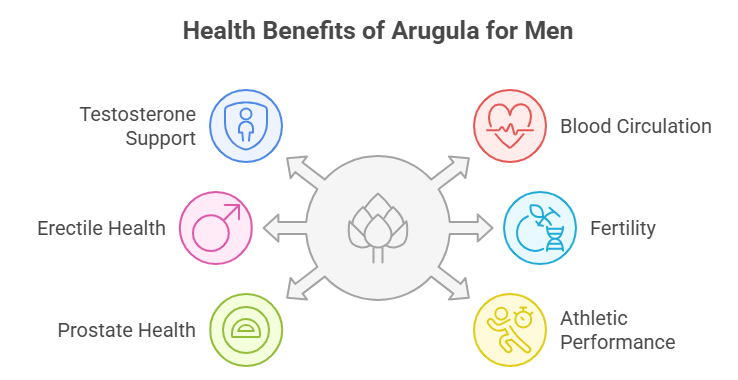
Supporting Healthy Testosterone Levels
While arugula won’t dramatically spike testosterone like anabolic steroids, it provides nutritional support for the body’s natural hormone production. The vegetable contains minerals like magnesium and zinc (in moderate amounts) that are cofactors in testosterone synthesis. More importantly, arugula’s rich antioxidant profile helps protect Leydig cells in the testes—the specialized cells responsible for producing testosterone—from oxidative damage.
The indole-3-carbinol found in arugula and other cruciferous vegetables may also help the body metabolize estrogen more efficiently. For men, maintaining a healthy balance between testosterone and estrogen is crucial for muscle mass, mood stability, libido, and overall vitality. By supporting the body’s natural detoxification pathways, arugula helps prevent excessive estrogen accumulation that can occur from environmental toxins and processed foods.
Enhancing Blood Circulation and Nitric Oxide Production
Perhaps the most significant arugula benefits for men relate to cardiovascular and circulatory health. The high nitrate content in arugula is converted by bacteria in your mouth and enzymes in your body into nitric oxide—a signaling molecule that causes blood vessels to relax and dilate. This process, called vasodilation, improves blood flow throughout the entire body.
Better circulation means more oxygen and nutrients reach your muscles during exercise, enhancing endurance and recovery. For your heart, improved blood flow reduces strain and supports healthy blood pressure. The nitric oxide benefits extend to every organ system, making arugula a whole-body performance enhancer rather than a targeted supplement.
Arugula for Erectile Health and Sexual Performance
The connection between nitric oxide and erectile function is well-established in medical literature. Erections depend on adequate blood flow to the penile tissue, and nitric oxide is the primary molecule responsible for triggering this response. In fact, medications for erectile dysfunction work by enhancing the nitric oxide pathway.
By naturally supporting nitric oxide production through dietary nitrates, arugula for erectile health offers a food-based approach to maintaining sexual function. While it’s not a replacement for medical treatment when needed, regular consumption of nitrate-rich vegetables like arugula can support vascular health—the foundation of erectile function. The vitamin C and antioxidants in arugula also protect blood vessel walls from damage, maintaining their flexibility and responsiveness.
Boosting Male Fertility and Sperm Quality
For men concerned about fertility, arugula for male fertility deserves serious consideration. The leafy green provides folate, a B-vitamin essential for proper DNA synthesis and cellular division—processes critical during sperm production. Research has linked adequate folate intake with improved sperm count, motility, and morphology.
The antioxidants in arugula—including vitamins C and A, along with phytochemicals—help neutralize free radicals that can damage sperm cells. Oxidative stress is one of the leading causes of poor sperm quality, and men with higher antioxidant intake typically show better semen parameters. The nitrates in arugula may also improve blood flow to the testes, ensuring optimal conditions for sperm development.
While eating arugula alone won’t overcome serious fertility issues, it’s a valuable component of a fertility-supportive diet. Arugula for sperm quality works best when combined with other healthy lifestyle factors like regular exercise, stress management, and avoiding toxins.
Supporting Prostate Health
As men age, prostate health becomes increasingly important. The cruciferous compounds in arugula, particularly sulforaphane and indole-3-carbinol, have been studied for their potential protective effects on prostate tissue. These compounds support the body’s natural detoxification systems and may help maintain healthy cell growth patterns.
The anti-inflammatory properties of arugula are also relevant for arugula for prostate health. Chronic inflammation is increasingly recognized as a factor in various prostate conditions, and the antioxidants in arugula help modulate inflammatory responses. While no food can prevent prostate disease, a diet rich in cruciferous vegetables is associated with better prostate health outcomes in epidemiological studies.
Enhancing Athletic Performance and Recovery
Beyond sexual and reproductive health, arugula benefits for men extend to physical performance. The dietary nitrates improve exercise efficiency by reducing the oxygen cost of physical activity. Studies on athletic populations have shown that nitrate supplementation (whether from beetroot juice or leafy greens) can enhance endurance, delay fatigue, and improve high-intensity exercise performance.
The anti-inflammatory compounds in arugula support muscle recovery after intense workouts. Magnesium and potassium help prevent cramping and support proper muscle contraction. For men who train regularly, adding arugula to post-workout meals provides nutrients that facilitate repair and adaptation. The low-calorie density also makes it ideal for men managing body composition goals.
Arugula Benefits for Male Sexual Health: Libido and Beyond
The traditional reputation of arugula as an aphrodisiac may have more merit than many realize. While the arugula sexual health benefits aren’t magical, they’re grounded in solid physiology. Improved circulation, better hormonal balance, and reduced oxidative stress all contribute to a healthy libido and sexual function.
Arugula libido benefits also relate to its impact on energy levels and mood. Chronic fatigue and stress are common libido killers for men, and the B-vitamins, magnesium, and antioxidants in arugula support energy production at the cellular level. Better energy translates to more interest in and capacity for sexual activity.
The peppery compounds in arugula may also have mild stimulating effects on the nervous system, though research in this area is limited. What’s clear is that men who maintain overall vascular health, hormonal balance, and low inflammation—all supported by regular arugula consumption—tend to report better sexual satisfaction and function.
The Science Behind Arugula and Male Fertility
Let’s dive deeper into arugula and fertility in men. Sperm production is a complex, 74-day process that’s vulnerable to nutritional deficiencies and oxidative damage. The folate in arugula is crucial during the early stages of sperm cell division. Men with low folate levels often show chromosomal abnormalities in their sperm, which can reduce fertility and increase miscarriage risk.
The nitric oxide connection is also relevant here. Adequate blood flow to the testes maintains optimal temperature and delivers nutrients necessary for spermatogenesis—the scientific term for sperm production. Some research suggests that nitric oxide itself plays a role in regulating sperm function and maturation.
Zinc, while present in smaller amounts in arugula compared to foods like oysters or pumpkin seeds, still contributes to overall mineral balance. Zinc is essential for testosterone production and sperm development. The combination of multiple fertility-supporting nutrients makes arugula a smart addition to a preconception diet for men.
It’s important to maintain realistic expectations—no single food will overcome significant fertility challenges. However, for men looking to optimize their reproductive health naturally, regular consumption of nutrient-dense foods like arugula is a research-supported strategy.
How to Incorporate Arugula into Your Daily Diet
Understanding rocket leaves benefits for men is one thing; actually eating them regularly is another. Fortunately, arugula’s versatility makes it easy to incorporate into various meals throughout the day.
Raw versus cooked: While both forms offer benefits, raw arugula preserves more vitamin C and the enzymes needed to convert nitrates to nitric oxide. The peppery flavor is also most pronounced when raw. However, lightly cooking arugula can make it easier to consume larger quantities and may enhance the bioavailability of certain fat-soluble vitamins. A combination approach works well for most men.
Breakfast options: Add a handful of arugula to scrambled eggs or omelets. The slight bitterness complements rich eggs beautifully. You can also blend arugula into smoothies, though the flavor is strong—pair it with sweet fruits like banana or mango to balance.
Lunch and dinner: The classic use is in salads, mixed with other greens or as the star ingredient. Dress with olive oil and lemon juice to enhance nutrient absorption. Arugula also works wonderfully as a pizza topping (add it fresh after baking), in sandwiches, or wilted into pasta dishes. For men who strength train, pairing arugula with lean proteins like grilled chicken or fish creates a muscle-supporting meal.
Ideal intake: There’s no official recommendation specifically for men, but consuming 1-2 cups of raw arugula daily (or equivalent cooked) provides meaningful amounts of the beneficial compounds discussed. This can be split across multiple meals for variety.
Best combinations: Pair arugula with healthy fats (olive oil, avocado, nuts) to enhance absorption of fat-soluble vitamins. Combining it with vitamin C-rich foods (tomatoes, citrus) boosts iron absorption from the greens. For men focused on testosterone support, pair arugula with zinc-rich foods like pumpkin seeds or lean red meat.
Arugula Versus Other Leafy Greens for Men’s Health
How does arugula stack up against other popular greens? Let’s compare:
Arugula vs. Spinach: Both are nutritional powerhouses, but arugula typically contains higher levels of nitrates and glucosinolates. Spinach has more iron and slightly more protein, but also contains oxalates that can interfere with calcium absorption. For men specifically focused on circulation and hormonal support, arugula may have a slight edge.
Arugula vs. Kale: Kale is richer in vitamins A, C, and K, making it excellent for immune support and bone health. However, arugula’s superior nitrate content and unique peppery compounds give it advantages for vascular health and potentially for testosterone metabolism through its indole compounds.
Arugula vs. Lettuce: Most lettuce varieties are significantly less nutrient-dense than arugula. Romaine offers some vitamins and minerals, but arugula provides far more antioxidants, phytochemicals, and therapeutic compounds per serving.
The bottom line? No single green is “best,” and variety is ideal. However, for men specifically seeking the circulatory, hormonal, and fertility benefits we’ve discussed, arugula stands out as particularly valuable. Rotating between arugula, spinach, and kale throughout the week provides the broadest spectrum of nutrients.
Potential Side Effects and Precautions for Men
While arugula side effects for men are generally minimal, it’s important to be aware of a few considerations:
Vitamin K and blood thinners: Arugula is very high in vitamin K, which plays a role in blood clotting. Men taking anticoagulant medications like warfarin should maintain consistent vitamin K intake and consult their healthcare provider before significantly increasing arugula consumption. Sudden changes can interfere with medication effectiveness.
Thyroid considerations: Cruciferous vegetables contain goitrogens—compounds that can interfere with thyroid function when consumed in extremely large amounts, particularly in raw form. For men with hypothyroidism, moderate consumption (1-2 servings daily) is generally safe, but excessive intake might be problematic. Cooking reduces goitrogen activity.
Kidney stones: Arugula contains oxalates, though less than spinach. Men with a history of calcium oxalate kidney stones may want to moderate their intake and ensure adequate hydration. Pairing arugula with calcium-rich foods can also reduce oxalate absorption.
Digestive upset: The fiber and sulfur compounds in arugula can cause gas or bloating in some individuals, especially when first introducing it to the diet. Starting with smaller portions and gradually increasing allows your digestive system to adapt.
Nitrate concerns: While dietary nitrates from vegetables are generally beneficial, men with certain rare metabolic conditions should consult a healthcare provider. The body’s conversion of nitrates to nitric oxide is a normal, healthy process distinct from concerns about nitrates in processed meats.
For the vast majority of men, arugula is exceptionally safe and beneficial. These precautions apply to extreme consumption or specific medical situations.
Conclusion: Making Arugula Part of Your Health Strategy
The arugula benefits for male health are diverse, scientifically supported, and accessible to any man willing to add this peppery green to his plate. From supporting circulation and sexual health through nitric oxide production to providing fertility-enhancing antioxidants and hormonal support, arugula earns its reputation as a men’s health superfood.
However, it’s crucial to maintain perspective. Arugula is not a magic solution or a replacement for medical care when needed. Instead, it’s a valuable component of a comprehensive approach to men’s health that includes regular exercise, adequate sleep, stress management, and a balanced diet rich in diverse whole foods.
The beauty of arugula lies in its simplicity. You don’t need expensive supplements or complicated protocols—just fresh, affordable greens available at nearly any grocery store. Whether your goal is optimizing fertility, supporting testosterone, improving athletic performance, or simply maintaining overall vitality as you age, arugula deserves a regular spot in your meals.
Start small if the peppery flavor is new to you. Mix it with milder greens, add it to familiar dishes, and allow your palate to adjust. Within a few weeks, you’ll likely find yourself craving that distinctive bite, and your body will be reaping the rewards. Remember that consistency matters more than quantity—a handful of arugula several times weekly is more valuable than an occasional large serving.
As with any dietary change, listen to your body and consult healthcare professionals when managing specific health conditions. For most men, though, adding arugula to the rotation of daily vegetables is one of the simplest, most cost-effective steps toward better health, energy, and performance at every age.
Frequently Asked Questions About Arugula Benefits for Male Health
Is arugula good for testosterone?
Arugula doesn’t directly boost testosterone like hormonal medications, but it supports the body’s natural production through several mechanisms. The magnesium and antioxidants protect testosterone-producing cells from damage. The indole compounds may help metabolize excess estrogen. For natural testosterone support, arugula is a valuable dietary component alongside adequate sleep, stress management, and resistance training.
Can arugula improve erection quality naturally?
Yes, through its effects on nitric oxide production and vascular health. The dietary nitrates in arugula enhance blood flow throughout the body, including to the erectile tissue. While not a replacement for medical treatment when needed, regular consumption of arugula and other nitrate-rich vegetables supports the circulatory foundation necessary for healthy erectile function.
Is arugula safe for daily consumption?
For most men, eating arugula daily is safe and beneficial. One to two cups daily provides excellent nutrition without excessive intake of any single compound. Men on blood-thinning medications should maintain consistency and check with their doctor, but otherwise, daily consumption poses no risk for healthy individuals.
How long does it take to see benefits from eating arugula?
Some benefits, like improved blood flow from nitric oxide, can begin within hours of consumption. Hormonal and fertility benefits typically require consistent intake over weeks to months. For best results, make arugula part of an overall healthy diet rather than expecting it to work in isolation. Most men report noticing improvements in energy and workout performance within 2-4 weeks of regular consumption.
Can arugula help with ED (erectile dysfunction)?
Arugula supports the vascular health underlying erectile function but isn’t a cure for ED. Men with mild ED related to poor circulation may see improvements from the nitrate-rich diet. However, ED often has multiple causes (hormonal, psychological, medication-related, or disease-related), and men experiencing persistent issues should consult a healthcare provider for proper evaluation and treatment.
Does cooking arugula reduce its benefits?
Light cooking reduces some vitamin C and may slightly impact enzyme activity, but many benefits remain. Cooked arugula still provides minerals, antioxidants, and beneficial compounds. For maximum benefit, include both raw and lightly cooked arugula in your diet. A quick sauté or adding fresh arugula to hot dishes at the end preserves most nutrients.
References
Board-Certified Family Medicine Physician | HIV Specialist™ (AAHIVS) | Public Health Advocate
Dr. Avi Varma is a board-certified family medicine physician and HIV Specialist™ with over 10 years of experience in primary care, infectious disease management, and community health. Based in Atlanta, Georgia, she works with a nonprofit organization dedicated to ending the HIV epidemic. Dr. Varma holds a Master’s in Public Health from Johns Hopkins University and is a Fellow of the American Academy of Family Physicians. She is deeply committed to advancing equitable healthcare and improving outcomes for underserved populations.