
Erectile Dysfunction

In 30 Seconds…
Erectile Dysfunction (ED) means having trouble getting or keeping an erection firm enough for sex. It’s very common and can happen because of stress, bad habits, or health problems like diabetes or heart disease. The best part is — it can be treated.
What is Erectile Dysfunction
Erectile Dysfunction (ED), also known as impotence, is the consistent inability to achieve or maintain an erection firm enough for satisfactory sexual intercourse. Experiencing occasional difficulty with erections is common; however, if the problem is ongoing, it can lead to stress, affect self-confidence, and cause relationship issues. ED may also be a sign of an underlying health condition that requires medical attention.
ED is common, affecting over half of men between the ages of 40 and 70 to some extent. It is not only a physical issue—it can result from and affect emotional well-being, relationships, and overall health.
How Erections Work
An erection is a complex process involving the brain, hormones, nerves, muscles, and blood vessels. When a man is sexually stimulated, the brain sends signals down the spinal cord and out through nerves to the penis. This triggers nerve endings to release nitric oxide, which relaxes smooth muscles in the corpora cavernosa—the two spongy cylinders that run along the length of the penis.
Relaxation of these muscles allows blood to flow in via deep arteries. As the corpora cavernosa fill with blood, they expand, compressing veins and restricting blood outflow. This causes the penis to become erect. After orgasm or when stimulation ends, the enzyme phosphodiesterase type 5 (PDE5) breaks down chemicals that enhance blood flow, and the penis returns to a flaccid state.
Symptoms of ED
- Difficulty getting an erection.
- Trouble maintaining an erection during sexual activities.
- Reduced interest in sex.
- Inability to get an erection at any time.
ED may be occasional or persistent and might worsen over time if underlying causes are not addressed. Reduced sexual desire, anxiety about performance, and relationship difficulties are commonly associated Erectile Dysfunction Symptoms.
Causes of Erectile Dysfunction
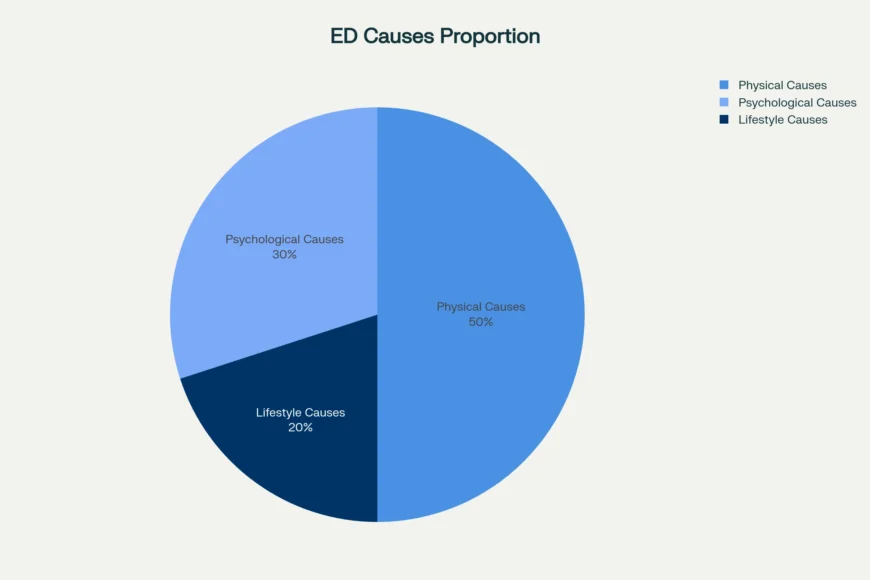
ED frequently results from a combination of underlying factors. These can be categorized as physical, psychological, and lifestyle-related.
Proportion of Erectile Dysfunction Causes by Category
Physical Causes
- Heart Disease and Atherosclerosis: Reduced blood flow due to narrowed vessels.
- Diabetes: Damages nerves and blood vessels.
- Obesity and Metabolic Syndrome: Impacts hormone levels and blood flow.
- High Blood Pressure and Cholesterol affect circulation.
- Neurological Disorders: Parkinson’s disease, multiple sclerosis, spinal injury.
- Low Testosterone: Hormonal imbalances can affect sexual function.
- Peyronie’s Disease: Scar tissue causing penile curvature.
- Medications: Blood pressure drugs, antidepressants, antihistamines, and others.
- Smoking, Alcohol, or Drug Use: Damages blood vessels and nerves.
Psychological Causes
- Depression and Anxiety: Severe stress or mood disorders can inhibit sexual arousal.
- Relationship Issues: Conflict, poor communication, or pressure to perform.
- Performance Anxiety: Fear of failure or self-doubt that creates a negative cycle.
- Past Trauma: Abuse or negative sexual experiences can cause psychological blocks.
Lifestyle Factors
- Physical Inactivity
- Poor Diet
- Insufficient Sleep
- High Stress Levels
- Tobacco and Excessive Alcohol Use
- Drug Use
Diagnosis & Tests
Erectile Dysfunction diagnosis begins with a full medical and sexual history and physical exam. Your doctor may check your penis and testicles, evaluate nerve function, and assess signs of hormonal imbalance (e.g., unusual hair growth or breast changes).
Recommended tests include:
- Blood and Urine Tests: Check for diabetes, cholesterol, hormone levels, kidney, and thyroid function.
- Physical Exam: Includes assessment of the genitals, blood pressure, and cardiovascular health.
- Overnight Erection Test: Measures nocturnal erections to differentiate between physical and psychological causes.
- Injection Test: Medicines induce an erection to assess blood vessel and nerve function.
- Penile Ultrasound: Examines blood flow in the penis.
- Mental Health Screening: Assesses for depression, anxiety, and other psychological factors.
ED Treatments
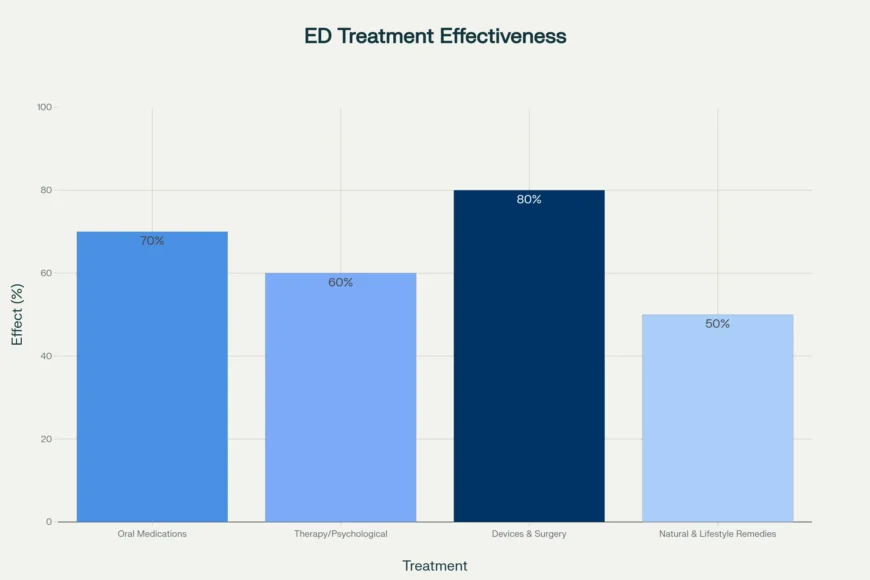
Erectile Dysfunction Treatment depends on the cause, severity, and patient preference. Medical management includes:
This bar chart compares treatment options (Devices & Surgery, Oral Medications, Therapy/Psychological, Natural & Lifestyle Remedies) using different blue shades for each bar:
Oral Medications
- Sildenafil (Viagra)
- Tadalafil (Cialis)
- Vardenafil (Levitra)
- Avanafil (Stendra)
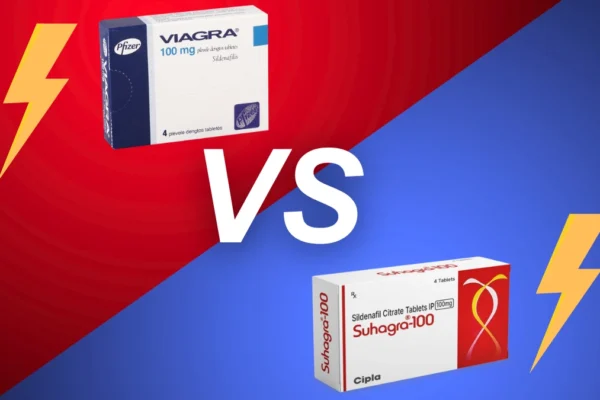
These medications increase blood flow to the penis by enhancing the effect of nitric oxide. They are effective for many men but require sexual stimulation to work. Side effects may include flushing, headache, nasal congestion, and vision changes. These drugs are not suitable for everyone, especially those taking nitrate medications or with severe heart disease.
Therapies
- Psychological Counseling: When ED has psychological causes or there is persistent anxiety, counseling or sex therapy can help.
- Couples Therapy: Useful in addressing relationship-related issues.
Devices
- Vacuum Erection Devices: Mechanically draw blood into the penis.
- Penile Implants: Malleable or inflatable devices can be surgically implanted; they are used as a last resort.
Injections & Urethral Suppositories
- Alprostadil: Injected into the penis or inserted as a suppository to stimulate blood flow for erections.
- Testosterone Replacement Therapy (TRT): Indicated only for men with low testosterone and symptoms of deficiency.
Surgery
If other therapies fail, surgical options include penile implants or vascular surgery. However, surgery is considered only after other treatments are unsuccessful and carries its own risks, such as infection or device malfunction.
Natural Lifestyle Remedies
Certain lifestyle changes and Erectile Dysfunction Natural Remedies may improve erectile function:
- Regular Exercise: Improves circulation and heart health.
- Healthy Diet: Mediterranean-style diets are linked to better vascular health.
- Weight Loss: Reduces the risk of ED associated with obesity.
- Quitting Smoking and Limiting Alcohol: Both improve vascular health.
- Stress Management: Techniques like mindfulness, yoga, or therapy.
- Pelvic Floor Exercises: Kegel exercises strengthen muscles involved in erections.
- Herbal Supplements: Ginseng (“herbal Viagra”), L-arginine (an amino acid), and maca root have been studied, though evidence varies. Consult a physician before using supplements, as herbal remedies may interact with medications.
ED in Young vs Older Men
While ED is more common with advancing age—affecting up to 52% of men aged 40–70—young men are not immune. In men under 40, up to 14–15% may have ED, and the causes are more likely to be a combination of psychological and organic issues, such as performance anxiety, smoking, or vascular problems from undiagnosed diabetes or hypertension. Contrary to past assumptions, organic Erectile Dysfunction Causes are documented in many young men with ED.
Common risk factors in younger men:
- Smoking
- Diabetes
- High blood pressure
- High cholesterol
- Perineal trauma
- Drug use
Older men are more likely to have ED due to cumulative vascular disease, testosterone decline, medication use, and overall poorer health.
Psychological Impact of ED
ED can significantly affect a man’s emotional health, leading to:
- Low self-esteem
- Performance anxiety
- Depression and mood disorders
- Strained relationships
- Social withdrawal
The psychological impact can become a vicious cycle, where anxiety about sexual performance worsens ED, leading to further distress. Addressing mental health is equally important. Open communication, couples therapy, and professional counseling can be valuable.
ED and Porn Addiction
Emerging research suggests that excessive pornography consumption can cause or worsen ED, particularly in younger men. Overstimulation from internet pornography may desensitize normal sexual arousal or create unrealistic expectations about sex, increasing performance anxiety and making ED more likely.
Treatment for porn-induced ED generally includes reducing or abstaining from pornography, behavioral therapy, and addressing underlying psychological issues. While the field is still evolving, sex therapists increasingly recognize and treat this issue in men presenting with unexplained ED.
Conclusion
Erectile Dysfunction is a common and treatable condition with a range of physical, psychological, and lifestyle factors involved. Advances in medical treatments—ranging from oral medications to psychosexual therapy, devices, and surgery—have made it possible for most men to achieve satisfactory erections. Seeking help early, addressing underlying health issues, and making positive lifestyle changes offer the best prospects for long-term sexual well-being.
If you suspect you have ED, consult a healthcare provider for a proper diagnosis and a personalized treatment plan based on your unique needs.
FAQs
Is ED Normal?
Occasional ED is common, especially during periods of stress or after consuming alcohol. Persistent ED warrants medical evaluation.
Can ED be a sign of other health problems?
Yes. ED may signal cardiovascular disease, diabetes, low testosterone, or other health conditions.
Are medications safe for everyone?
No. Men taking nitrates, some heart medications, and those with severe cardiovascular disease should not take ED drugs. Always consult your healthcare provider.
Are over-the-counter supplements effective?
Some supplements may help, but many have not been rigorously tested for efficacy or safety and may interact with other medications. Physician guidance is crucial.
Is ED treatable?
For most men, ED is treatable with lifestyle changes, medication, therapy, or surgical interventions if necessary.
Can ED Be Cured Permanently?
ED can sometimes be reversed, especially if it results from reversible physical or psychological causes (e.g., stress, obesity, medication side effects, or lifestyle factors). For cases due to chronic disease (e.g., diabetes, vascular disease, irreversible nerve damage), ongoing management may be necessary, but significant improvement is possible.
“Permanent cure” is rare for all forms of ED, but many men can regain full sexual function or achieve satisfactory intercourse with a combination of medical, psychological, and lifestyle strategies. Early intervention, a healthy lifestyle, and open communication with healthcare providers are key.
Can stress or anxiety really cause erectile dysfunction?
Yes, stress and anxiety are among the most common causes of ED. When your mind is under pressure, your body releases stress hormones that can limit blood flow and make it harder to get an erection. Relaxation techniques, therapy, or even simple lifestyle changes can often help improve performance naturally.
Is erectile dysfunction a sign of another health problem?
Sometimes, yes. ED can be an early warning sign of conditions like diabetes, high blood pressure, or heart disease. That’s why it’s important not to ignore it. Treating the root cause — not just the symptom — often helps improve both your sexual and overall health.
References
Board-Certified Urologist | Male Reproductive Specialist | Associate Professor of Urology
Dr. Matt Coward is an ABMS board-certified urologist with over 10 years of experience and specialized expertise in male reproductive health and infertility. He currently serves as the Director of Male Reproductive Medicine and Surgery at UNC Fertility in Raleigh, North Carolina, and is the Fellowship Director of the UNC Men’s Health Fellowship.