
Can Women Use Cenforce?

Sexual health concerns affect millions of people worldwide, and while erectile dysfunction (ED) medications like Cenforce are primarily marketed toward men, many women wonder about their potential benefits and safety for female sexual wellness.
This comprehensive guide explores whether women can use Cenforce, the science behind female sexual dysfunction, alternative treatments, and important safety considerations every woman should know.
Key Takeaways
Cenforce is a sildenafil medicine mainly prescribed to treat erectile dysfunction (ED) in men. It is not FDA-approved for women, and there isn’t enough scientific evidence to recommend its routine use for female sexual problems. In some rare cases, doctors may prescribe sildenafil off-label for specific medical conditions, but it should never be taken cenforce without professional advice.
Understanding Cenforce and Its Primary Use
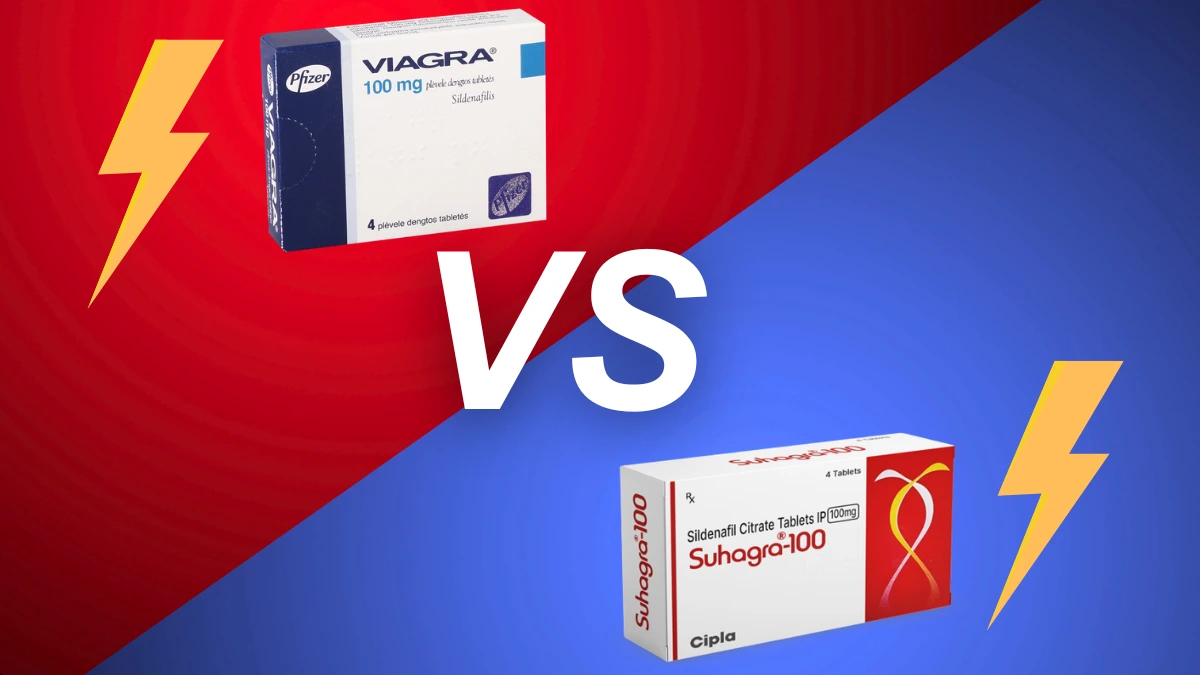
Cenforce contains sildenafil citrate, the same active ingredient found in Viagra. Originally developed to treat pulmonary hypertension, sildenafil revolutionized ED treatment when researchers discovered its effects on male sexual function. The medication works by inhibiting phosphodiesterase type 5 (PDE5), an enzyme that regulates blood flow to the genital areas.
For men, this mechanism is straightforward: increased blood flow to the penis facilitates erections. However, female sexual arousal and satisfaction involve more complex physiological and psychological factors, making the application of PDE5 inhibitors in women less predictable and potentially less effective.
Female Sexual Dysfunction: Understanding the Complexity
Female sexual dysfunction encompasses various conditions that can significantly impact quality of life and intimate relationships. Unlike male ED, which primarily involves achieving and maintaining erections, female sexual health involves multiple interconnected factors

Types of Female Sexual Dysfunction
Hypoactive Sexual Desire Disorder (HSDD): This condition involves persistently low or absent sexual desire that causes personal distress. HSDD is the most common form of female sexual dysfunction, affecting approximately 10% of adult women.
Female Sexual Arousal Disorder: Women with this condition experience difficulty becoming physically aroused despite mental interest in sexual activity. This can manifest as reduced genital sensation, decreased lubrication, or inability to maintain arousal throughout sexual activity.
Female Orgasmic Disorder: This involves persistent difficulty achieving orgasm or significantly reduced intensity of orgasmic sensations, despite adequate sexual stimulation and arousal.
Genito-Pelvic Pain/Penetration Disorder: Previously categorized as vaginismus and dyspareunia, this condition involves persistent pain, fear, or tension during vaginal penetration attempts.
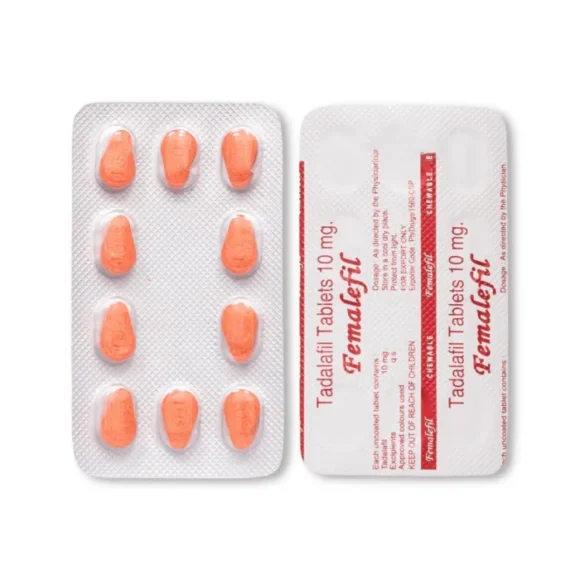
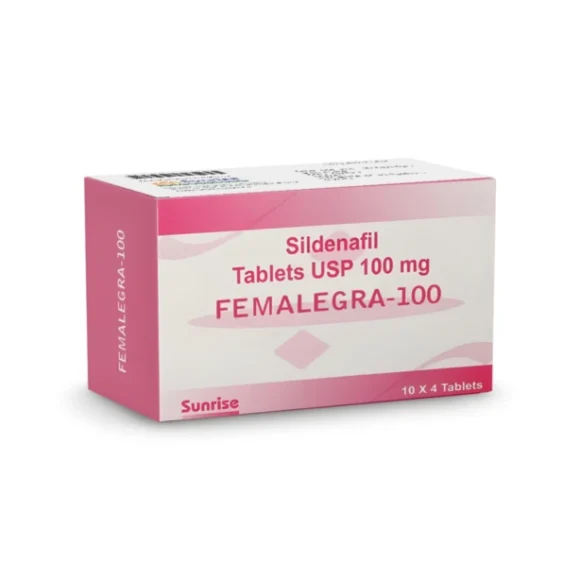
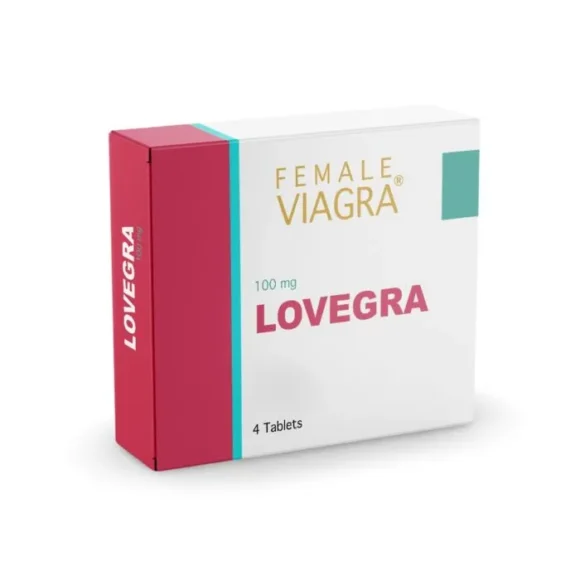
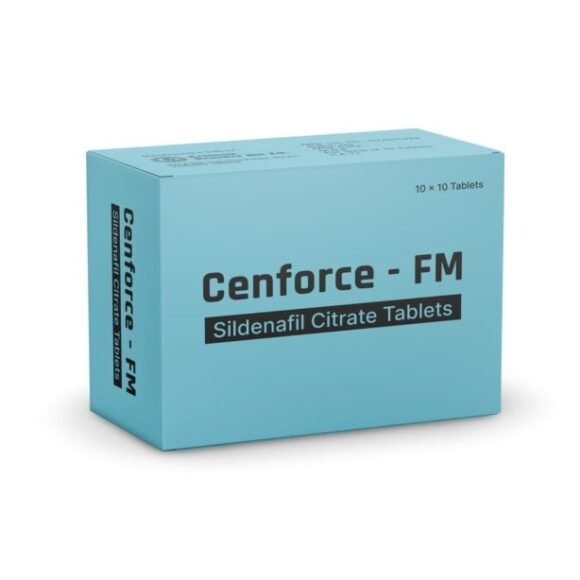
Recommended Products for Women

Femalefil 10 mg
Price range: $52.00 through $180.00Femalegra 100 mg
Price range: $54.00 through $139.00Lovegra 100 Mg
Price range: $51.00 through $141.00Cenforce FM 100mg
Price range: $84.00 through $214.00
Can Women Safely Use Cenforce? The Scientific Evidence
While some women may consider using Cenforce off-label for sexual enhancement, current research provides limited support for this practice. Several small-scale studies have investigated sildenafil’s effects on female sexual function, with mixed results.
Research Findings on Sildenafil in Women
A 2008 study published in the Journal of Sexual Medicine examined sildenafil’s effects on postmenopausal women with sexual arousal disorder. Results showed modest improvements in arousal and satisfaction compared to placebo, but the benefits were not consistent across all participants.
Another study focusing on women with antidepressant-induced sexual dysfunction found that sildenafil helped some participants achieve better sexual outcomes. However, the research was limited by small sample sizes and short-term follow-up periods.
Why Results Vary in Women
Female sexual response involves intricate interactions between psychological, hormonal, neurological, and vascular factors. While increased genital blood flow (sildenafil’s primary effect) may contribute to arousal, it doesn’t address other crucial components like hormonal balance, psychological comfort, or relationship dynamics.
Potential Risks and Side Effects for Women
Women considering Cenforce should understand the potential risks and side effects, which can be more pronounced due to physiological differences and lack of extensive safety data in female populations.
Common Side Effects
| Side Effect | Frequency | Severity |
|---|---|---|
| Headaches | 15–20% | Mild to Moderate |
| Facial Flushing | 10–15% | Mild |
| Nasal Congestion | 8–12% | Mild |
| Digestive Issues | 5–10% | Mild to Moderate |
| Dizziness | 3–7% | Mild to Moderate |
| Visual Disturbances | 2–5% | Moderate |
Serious Health Risks
Cardiovascular Complications Sildenafil can cause dangerous drops in blood pressure, particularly when combined with nitrate medications or certain heart conditions. Women with cardiovascular disease face increased risks.
Drug Interactions Cenforce can interact with various medications commonly prescribed to women, including certain antidepressants, blood pressure medications, and hormone therapies.
Hormonal Considerations The interaction between sildenafil and female hormones, particularly during menstruation, pregnancy, or menopause, remains poorly understood and could lead to unpredictable effects.
Available Cenforce Strengths
Cenforce is available in the following strengths:
FDA-Approved Alternatives for Women
Rather than using off-label medications like Cenforce, women have access to treatments specifically designed and tested for female sexual health concerns.

Addyi (Flibanserin)
Addyi represents the first FDA-approved medication for HSDD in premenopausal women. Unlike sildenafil’s vascular approach, flibanserin works on neurotransmitters in the brain that influence sexual desire. Clinical trials showed modest but statistically significant improvements in sexual desire and satisfaction.
Key Considerations for Addyi:
- Requires daily use, not on-demand like Cenforce
- Cannot be combined with alcohol
- Takes 4-8 weeks to show effects
- Designed specifically for women with HSDD
Vyleesi (Bremelanotide)
Approved in 2019, Vyleesi is an injectable medication for acquired, generalized HSDD in premenopausal women. It activates melanocortin receptors in the brain, influencing sexual desire through different pathways than traditional ED medications.
Vyleesi Benefits:
- Used as needed, approximately 45 minutes before sexual activity
- Works through brain chemistry rather than blood flow
- Clinical trials specifically included diverse female populations
- Addresses psychological aspects of sexual desire
Holistic Approaches to Female Sexual Health
Many women find that comprehensive approaches addressing multiple aspects of sexual wellness provide better outcomes than medication alone.
Lifestyle Modifications
Exercise and Physical Health: Regular cardiovascular exercise improves blood flow throughout the body, including the genital areas. Studies show that women who maintain active lifestyles report better sexual function and satisfaction.
Stress Management: Chronic stress significantly impacts female sexual desire and arousal. Techniques like meditation, yoga, and mindfulness can improve sexual experiences by reducing cortisol levels and enhancing the mind-body connection.
Sleep Quality: Adequate sleep is crucial for hormone production and sexual health. Women who consistently get 7-9 hours of quality sleep report higher levels of sexual desire and satisfaction.
Nutritional Support

Certain nutrients play important roles in female sexual health:
L-Arginine: This amino acid supports nitric oxide production, potentially improving blood flow to the genital areas.
Omega-3 Fatty Acids: These essential fats support hormone production and cardiovascular health, both of which are important for sexual function.
Vitamin D: Deficiency in vitamin D correlates with reduced sexual satisfaction in women. Adequate levels support overall health and well-being.
Zinc: This mineral is essential for hormone production and sexual health. Women with zinc deficiency may experience reduced libido.
Psychological and Relationship Factors
Sexual health extends far beyond physical function. Many women benefit from addressing psychological and relational aspects of intimacy.
Individual Therapy: Working with a sex therapist or psychologist specializing in sexual health can help women identify and address underlying issues affecting sexual satisfaction.
Couples Counseling: Relationship dynamics significantly impact female sexual satisfaction. Couples therapy can improve communication, intimacy, and mutual understanding.
Mindfulness-Based Interventions: Research shows that mindfulness practices specifically designed for sexual health can improve arousal, satisfaction, and overall sexual well-being in women.
When to Consult Healthcare Providers
Women experiencing sexual health concerns should prioritize professional medical consultation over self-medication with products like Cenforce.
Red Flags Requiring Immediate Medical Attention
- Sudden loss of sexual desire or function
- Pain during sexual activity
- Unusual bleeding or discharge
- Significant changes in arousal patterns
- Sexual dysfunction following medication changes
Questions to Discuss with Your Doctor
Prepare for medical consultations by considering these important topics:
- Symptom Timeline: When did sexual health concerns begin? Have they worsened over time?
- Medical History: What medications, supplements, or health conditions might be contributing factors?
- Lifestyle Factors: How do stress, sleep, exercise, and diet impact your sexual health?
- Relationship Dynamics: Are there relationship issues that might be affecting sexual satisfaction?
- Treatment Preferences: Are you interested in medication, therapy, lifestyle changes, or combination approaches?
Conclusion
While the question “Can women use Cenforce?” has a simple answer, it’s not recommended without medical supervision; the broader topic of female sexual health requires a nuanced understanding and individualized approaches.
Women experiencing sexual health concerns have access to FDA-approved erectile dysfunction treatment, lifestyle interventions, and professional support specifically designed for their needs.
Rather than relying on medications developed for different populations and conditions, women benefit most from comprehensive approaches that address the complex interplay of physical, psychological, and relational factors influencing sexual satisfaction.
The key lies in open communication with healthcare providers, realistic expectations, and commitment to evidence-based treatments that prioritize both safety and effectiveness.
Sexual health is an important component of overall well-being, and every woman deserves access to safe, effective treatments tailored to her individual needs and circumstances.
FAQs
Is it safe for women to take Cenforce?
Cenforce is not approved by the FDA for use in women and should only be considered under strict medical supervision. The safety profile in women is not well-established, and there are specific risks related to cardiovascular effects, drug interactions, and hormonal considerations that make self-medication potentially dangerous.
What are the FDA-approved alternatives to Cenforce for women?
Two FDA-approved medications exist specifically for women with sexual health concerns: Addyi (flibanserin) for hypoactive sexual desire disorder in premenopausal women, and Vyleesi (bremelanotide) for acquired, generalized HSDD. Both work differently from Cenforce and are designed specifically for female physiology.
How does female sexual dysfunction differ from male erectile dysfunction?
Female sexual dysfunction involves complex interactions between psychological, hormonal, neurological, and vascular factors, while male ED primarily involves blood flow to achieve erections. Women’s sexual response includes desire, arousal, orgasm, and satisfaction phases, each influenced by different physiological and psychological factors.
Can lifestyle changes improve female sexual health without medication?
Yes, many women experience significant improvements through lifestyle modifications, including regular exercise, stress management, adequate sleep, proper nutrition, and addressing relationship dynamics. These approaches often provide safer and more sustainable results than medication alone.
What should I discuss with my doctor about sexual health concerns?
Important topics include symptom timeline, medical history, current medications, lifestyle factors, relationship dynamics, and treatment preferences. Be prepared to discuss when concerns began, what factors might be contributing, and what types of interventions interest you most.
Are there natural supplements that can help with female sexual health?
Some research supports certain supplements like L-arginine, omega-3 fatty acids, vitamin D, and zinc for supporting overall sexual health. However, supplements should complement, not replace, professional medical care, and it’s important to discuss any supplements with your healthcare provider to avoid interactions.
References
Board-Certified Urologist | Andrology Specialist | Men’s Health Expert
Dr. Kelly Brown is a board-certified urologist and fellowship-trained andrologist with 8 years of experience and expertise in male fertility, microsurgery, and sexual function. She previously served as Medical Director of a male fertility startup, where she led strategy and development of an innovative digital health platform.